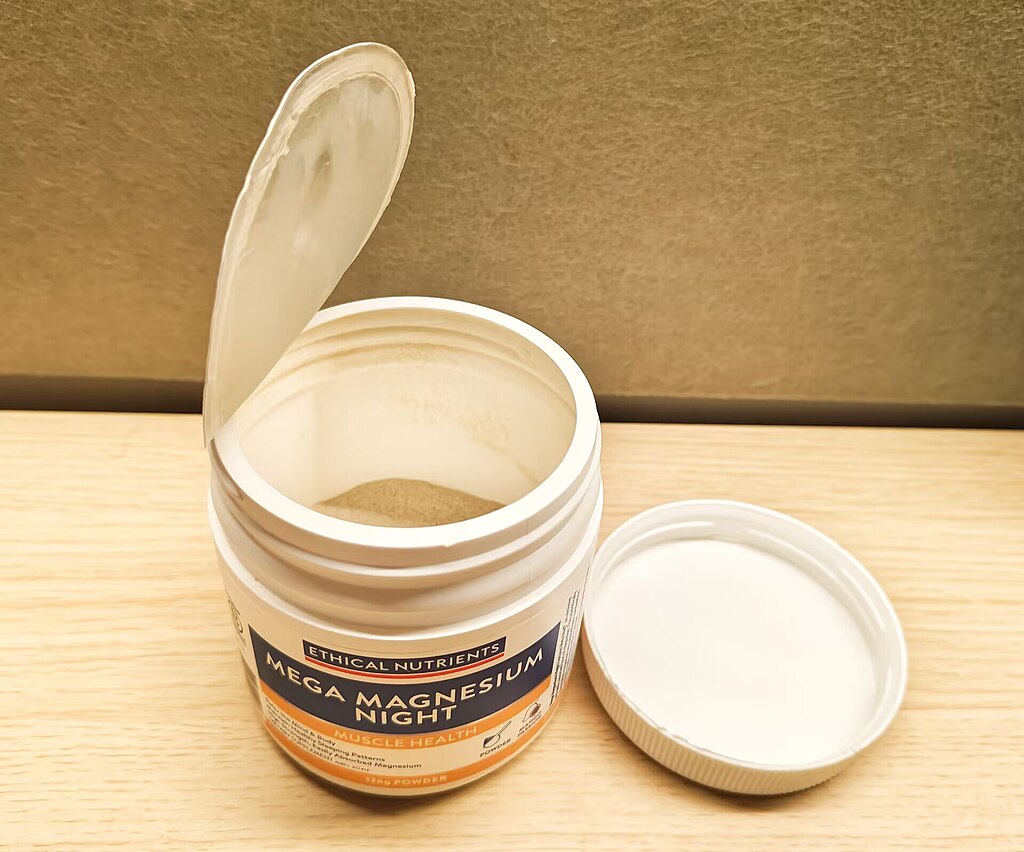
Magnesium is a key mineral involved in over 300 biochemical reactions, including nerve and muscle function, which are important for sleep. Many Americans fall short of the recommended 310–420 mg/day and believe supplements can help insomnia. Research links higher magnesium intake to better sleep quality and longer duration in adults. Magnesium can influence sleep by relaxing muscles, calming the nervous system, and aiding melatonin production. A large 2025 clinical trial found that magnesium bisglycinate (a glycinate chelate) modestly improved insomnia symptoms compared to placebo. In general, forms of magnesium that dissolve well (like citrate and glycinate) are absorbed better than oxide or sulfate. This guide reviews the best magnesium forms for sleep (glycinate, citrate, threonate, etc.), timing, and usage, based on evidence and expert recommendations.
How Magnesium Affects Sleep
Magnesium helps regulate neurotransmitters and hormones tied to sleep. It can boost GABA (a calming neurotransmitter) and affect melatonin, the hormone that controls your circadian rhythm. One study notes that magnesium is required to convert serotonin into melatonin, which improves sleep onset. By relaxing nerve signals and muscles, magnesium may help people fall asleep faster and sleep more soundly. In sleep surveys, experts note that magnesium deficiency is associated with shorter, fragmented sleep, and low magnesium levels have been linked to insomnia symptoms.
Types of Magnesium Supplements for Sleep
Different magnesium compounds have unique effects. Below are common forms and their uses:
Magnesium Glycinate
Magnesium glycinate (bisglycinate) combines magnesium with the amino acid glycine. It’s highly bioavailable and gentle on the gut. Glycine itself may promote relaxation, so many brands market glycinate for sleep and anxiety. A 2025 clinical trial using 250 mg elemental magnesium (as bisglycinate) in adults with poor sleep found a significant improvement in insomnia severity vs. placebo. Glycinate may ease stress and anxiety by enhancing GABA activity, helping the mind relax. It’s often recommended at bedtime to promote muscle relaxation and deeper sleep. Typical doses range from 200–400 mg elemental magnesium per day, often split into evening doses. Side effects are uncommon but can include daytime drowsiness or fatigue in rare cases. This form has a milder laxative effect than other forms.
Magnesium Citrate
Magnesium citrate is magnesium bound to citric acid. It is well absorbed and widely available. Citrate is often used for digestive health – at high doses it draws water into the bowels to relieve constipation. Some research suggests magnesium citrate may also benefit sleep in older adults. However, because it can have a mild laxative effect, it’s best taken earlier in the evening so sleep isn’t disrupted. A typical sleep-support dose is 200–300 mg (elemental magnesium) in the evening. It can improve overall magnesium status and has been associated with longer sleep in surveys. Side effects at high dose may include loose stools or stomach discomfort. Because of its GI action, citrate is usually less calming than glycinate. It is still often included in “sleep formulas” for its absorption and mild relaxation effect.
Magnesium L-Threonate
Magnesium L-threonate is a newer form that crosses the blood-brain barrier more readily. It has been studied for cognitive support and mood. A 2024 RCT in adults with sleep problems found 1 g/day of magnesium threonate significantly improved sleep quality – especially deep and REM sleep – compared to placebo. Participants also reported better mood and daytime alertness. Because it targets brain magnesium levels, threonate may support both sleep and cognitive function. Typical doses are 144 mg elemental magnesium (often in a 1 g supplement) taken nightly. Side effects are minimal; it is generally well tolerated. Magnesium threonate may be especially useful if sleep issues are linked to anxiety, brain fog, or depression. (However, more research is needed on long-term sleep benefits.)
Other Magnesium Forms
- Magnesium Malate: Bound to malic acid, often used for muscle pain and fatigue. It may support energy, so it’s less commonly taken at night. It can be used as a general supplement but is not a top choice specifically for sleep.
- Magnesium Oxide: An inexpensive form with low absorption. It’s mainly used as a laxative or antacid, and has been studied for insomnia in elderly adults, though results are mixed. Its typical side effect is loose stools.
- Magnesium Chloride/Lactate: These are well absorbed and often found in topical products. They can improve magnesium status but are rarely used specifically for sleep.
In general, glycinate and citrate are the most recommended forms for sleep support, while oxide and chloride are usually for digestion or other needs.
Magnesium Glycinate vs. Citrate
Magnesium glycinate and citrate each have pros and cons. Glycinate is best for sleep and anxiety: it is calming, highly absorbable, and low in GI side effects. Many experts advise taking glycinate at bedtime to improve sleep onset and reduce nighttime wakefulness. Citrate is better for digestion and general nutrition. It is easily absorbed too, but higher doses can act as a laxative. Citrate may indirectly help sleep by correcting deficiency, but it’s not as soothing as glycinate. In summary, if stress or insomnia is the main issue, glycinate is preferred. If constipation or overall magnesium levels are the concern, citrate is suitable with caution on timing.
Best Time to Take Magnesium for Sleep
For sleep, timing matters. Most experts suggest taking magnesium in the evening, about 30–60 minutes before bedtime. This allows the body to absorb it and benefit its relaxing effects as you wind down. One review notes that magnesium glycinate or taurate are often taken at night to improve sleep. Taking magnesium with dinner or a snack can improve absorption and reduce any mild stomach upset. Avoid taking a large citrate dose right before sleep to prevent nighttime trips to the bathroom. Consistency is key – try to take it at the same time each night.
Magnesium for Anxiety and Sleep
Magnesium also plays a role in anxiety, which often interferes with sleep. It helps regulate neurotransmitters (like GABA and NMDA) that calm the brain. Low magnesium levels have been linked to greater anxiety and restlessness. Supplementing (especially with glycinate) may reduce anxious feelings and promote relaxation. In fact, health experts note glycinate can ease stress and tension, making it easier to fall asleep. If racing thoughts keep you awake, a nighttime dose of magnesium glycinate is often recommended. (As always, discuss any anxiety treatment with a healthcare provider.)
Comparison of Magnesium Types (Comparison Table)
Below is a summary of common magnesium forms used for sleep, with their key benefits, uses, doses, and side effects:
| Type | Benefits | Recommended Usage | Typical Dose | Main Side Effects |
|---|---|---|---|---|
| Magnesium Glycinate | Calming, reduces anxiety, muscle relaxant | Sleep support, anxiety relief | 200–400 mg at night | Drowsiness, fatigue (rare) |
| Magnesium Citrate | Good absorption, may improve sleep indirectly | Nutritional supplement, constipation relief | 200–300 mg in evening | Diarrhea, stomach upset |
| Magnesium L-Threonate | Enhances deep/REM sleep, cognition | Brain health, sleep quality | 1 g supplement (144 mg elemental) | Generally well-tolerated |
| Magnesium Malate | Supports energy, muscle pain relief | Daytime supplement, fibromyalgia | 200–400 mg/day | Generally mild GI upset |
| Magnesium Oxide | Inexpensive, laxative effect | Occasional constipation relief | 250–500 mg (laxative) | Strong diarrhea, cramps |
Table: Common magnesium forms for sleep support (glycinate and citrate are gentlest for sleep). Use caution with citrate or oxide due to laxative effect.
Frequently Asked Questions
Which type of magnesium is best for improving sleep?
Many experts say magnesium glycinate is best for sleep. It is easily absorbed and promotes relaxation without strong laxative effects. In clinical trials it reduced insomnia severity more than other forms. Magnesium citrate is also well-absorbed but mainly helps if constipation is an issue.
How much magnesium should I take for better sleep?
Adults need 310–420 mg total magnesium daily. For sleep specifically, many people take 200–400 mg of a supplement in the evening. Start at a lower dose to avoid GI upset and talk to a doctor. Don’t exceed about 350 mg before bedtime without guidance.
When is the best time to take magnesium to help sleep?
Take magnesium roughly 30–60 minutes before bed. Evening intake uses its calming effect and minimizes daytime drowsiness. Magnesium glycinate or citrate taken at dinner or just before bed works well, as it may relax muscles and nerves in time for sleep.
Does magnesium help with sleep-related anxiety?
Yes, magnesium can reduce anxiety that interferes with sleep. It supports GABA activity and can calm the nervous system. A glycinate form is often used for anxiety-related insomnia because it relaxes brain activity. Some users notice less tension at bedtime after supplementing.
Can magnesium make you sleepy or have side effects?
Magnesium’s main side effects are digestive (diarrhea, cramps) if the dose is too high. In recommended amounts, it usually doesn’t make most people drowsy. Magnesium glycinate might cause mild daytime tiredness in some. People with kidney issues should be cautious. Always start with a lower dose and consult your healthcare provider.
Can I take magnesium with other sleep aids like melatonin?
Yes, many people combine magnesium with melatonin or herbs (like valerian) for sleep. They work differently: magnesium relaxes muscles and nerves, while melatonin regulates sleep timing. There’s no known harmful interaction at normal doses. However, always check with a doctor, as too much of any supplement can have side effects.
What foods are high in magnesium for sleep?
To boost magnesium naturally, eat leafy greens (spinach), nuts and seeds (almonds, pumpkin seeds), legumes (beans), whole grains, and fish. A balanced diet helps ensure you get 30–40% of your intake from food. Supplements can fill the gap if you aren’t getting enough from diet alone.
Disclaimer
This article is for informational purposes and does not constitute medical advice. Consult a qualified healthcare professional before starting any new supplement or treatment. The information here is not a substitute for professional medical guidance.