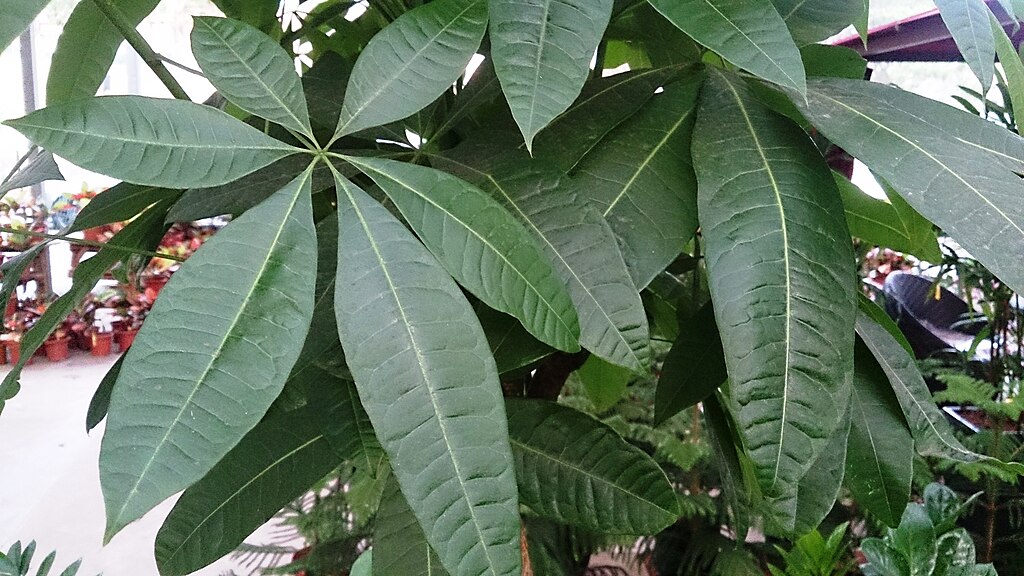
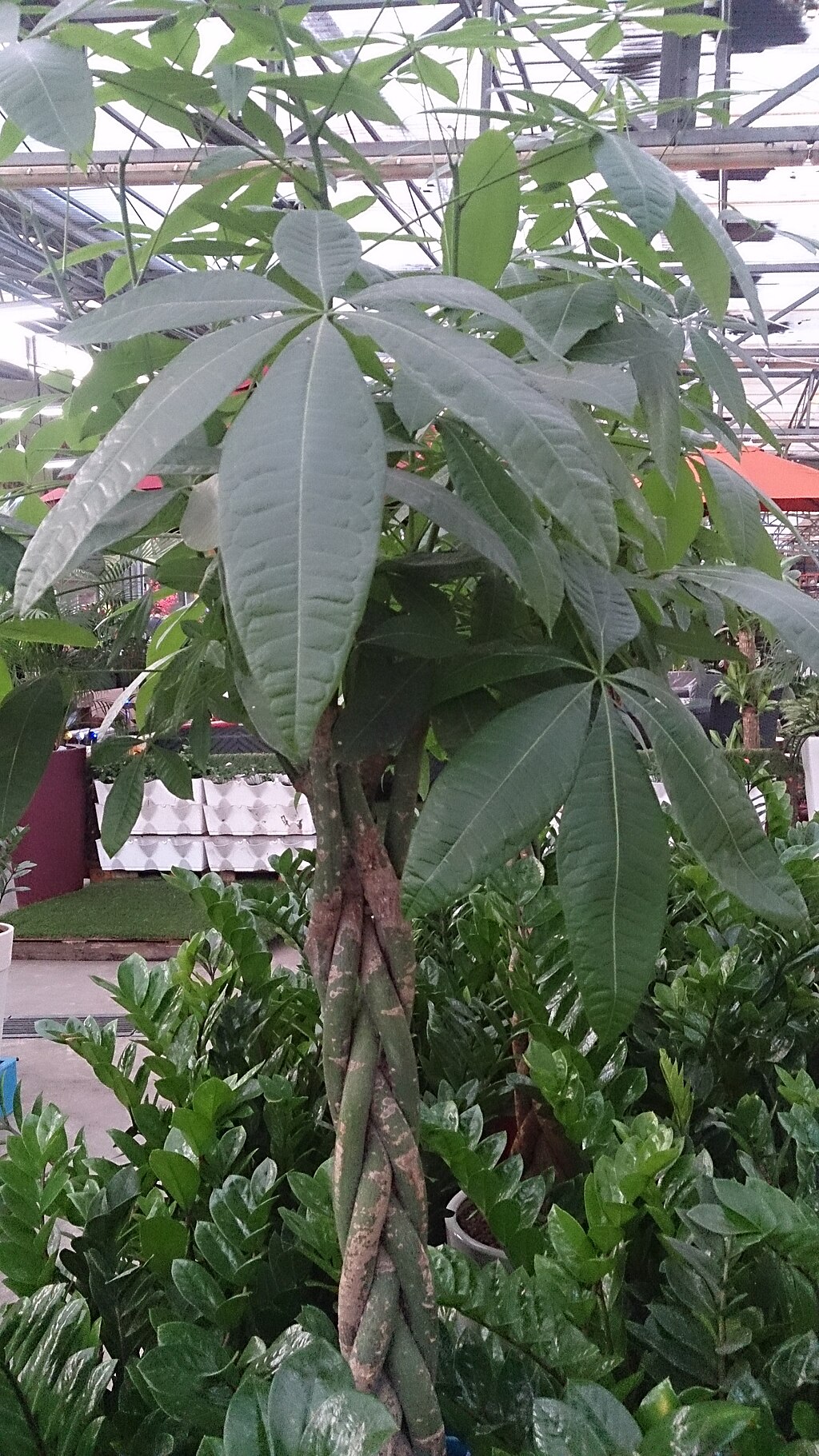
The money tree (Pachira aquatica) – with its braided trunk and lush green leaves – is a popular houseplant and symbol of good fortune. Many cat owners wonder: Can I safely keep this plant around my kitty? The good news is money trees are non-toxic to cats. Experts agree that the money tree is considered cat-safe. In other words, your curious feline can nibble on a bit of it without encountering any poisons or severe illness. However, like any plant, a big mouthful can still upset a cat’s stomach, so it’s wise to discourage chewing.
Understanding Money Trees (Pachira aquatica)
Money trees are tropical plants native to Central and South America. They’re known for their braided trunks and palmate leaves. (You may also see them sold as “braided money tree” or simply “money plant.”) According to the ASPCA, Pachira aquatica has “no toxic principles” and is listed as non-toxic to cats. A vet-reviewed cat care site echoes this: “the money tree […] is non-toxic and completely safe for your furry friend”. In short, scientific and veterinary sources agree: the money tree itself does not contain poisons that harm cats.
What If My Cat Eats Money Tree Leaves? Signs to Watch
Even though the money tree isn’t poisonous, it’s still plant matter. If your cat ingests a lot of it, she might experience mild gastrointestinal upset. For example, vomiting, nausea or diarrhea can occur. ASPCA notes the clinical signs from eating a money tree include “nausea, vomiting and loose stool”. Similarly, a Catster article explains that a cat eating lots of any plant material (even non-toxic ones) “can lead to diarrhea, mild nausea, and vomiting”.
Keep an eye on your cat for these symptoms if she nibbles on the plant. Other possible signs (from general plant ingestion) include drooling or pawing at the mouth, loss of appetite, or lethargy. However, no severe poisoning is expected. In most cases of money-tree munching, the effects will be limited to tummy upset. You can keep your cat comfortable by giving her fresh water and monitoring her. If vomiting or diarrhea is persistent, call your veterinarian or ASPCA Poison Control at 888-426-4435. They can advise you whether any treatment is needed.
Not All “Money” Plants Are the Same
It’s important to distinguish Pachira money trees from other plants sometimes called “money” or “jade” plants. Some of those are toxic. Key examples:
- Jade plant (Crassula ovata) – Often nicknamed “dollar plant” or “money plant” in some regions, the jade plant is actually toxic to cats. ASPCA lists it as Toxic to Cats, causing vomiting and lethargy.
- Golden pothos (Epipremnum aureum) – Also called “money plant” or “devil’s ivy,” this vine contains insoluble calcium oxalate crystals. Chewing it causes severe oral irritation, drooling, and vomiting.
- Chinese money plant (Pilea peperomioides) – This is a different “money” plant, with pancake-shaped leaves. It is non-toxic to cats, but like any plant, eating large amounts might upset the stomach.
- True Money Tree (Pachira aquatica) – The one we’re focusing on. As noted, this is safe for cats.
Bottom line: Don’t confuse your Pachira money tree with a jade succulent or a pothos vine. The safe status only applies to Pachira aquatica. If you have multiple houseplants, always check each one’s scientific name and toxicity. A convenient rule is that fewer is more: limit your collection of exotic names to keep track of, and stick with well-documented cat-safe species.
Keeping Your Cat Safe Around Plants
Even with non-toxic plants, a nibbling cat can cause mess or mild upset. Here are some tips to keep both your kitty and plants happy:
- Place plants out of reach. Keep money trees on tall shelves or in hanging planters where cats can’t easily climb. If your cat is a jumper, consider enclosing plants or using barriers. Out-of-reach placement is one of the simplest ways to prevent chewing.
- Offer cat-safe alternatives. Redirect your cat’s chewing instinct to harmless greens like cat grass, oat grass, or catnip. This discourages her from sampling your houseplants.
- Label your plants. In case of any incident, having each plant clearly identified helps you get accurate information quickly. Keep a photo or list of your plants for reference.
- Watch for symptoms. As mentioned, monitor your cat if she tries a taste. Mild drooling, vomiting, or loose stool are signs to pause plant access.
- Consult experts when needed. If you’re ever unsure or your cat shows worrying symptoms, don’t hesitate to call your vet or the ASPCA Animal Poison Control hotline (888-426-4435). They can guide you based on the plant and the amount ingested.
By taking simple precautions, you can peacefully enjoy your indoor jungle and keep your cat safe.
Conclusion
In summary, money trees are not poisonous to cats. Reputable sources like the ASPCA and veterinary experts confirm Pachira aquatica is non-toxic. That means a little nibble won’t unleash deadly toxins. Still, discourage your cat from chewing the leaves or wood. Any plant matter can upset a sensitive stomach, leading to mild nausea or diarrhea.
For peace of mind, provide cat-safe plant options and consider placing your money tree where only humans can enjoy it. If your cat does have a big bite, keep calm: clean up any plant bits, watch for symptoms, and call your vet if anything seems off. With these steps, you can have both happy plants and a happy, healthy kitty in your home.
Stay safe and enjoy your greenery! If you found this guide helpful, share it with other cat lovers or bookmark it for future reference. And remember: when in doubt, vet advice is just a call away. Cover photo: Mokkie, CC BY-SA 3.0, via Wikimedia Commons