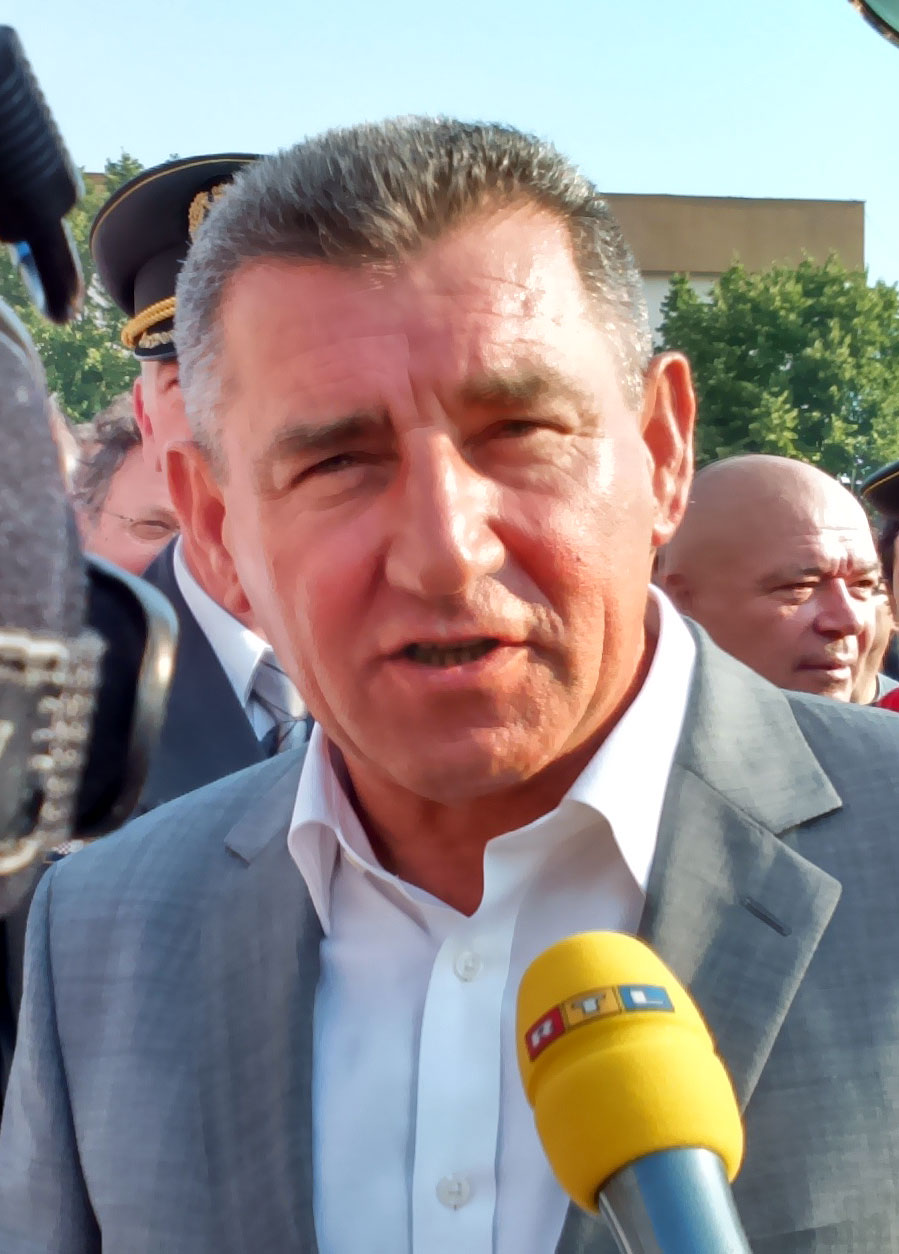
Ante Gotovina was born on October 12, 1955 in the small Dalmatian town of Tkon on the island of Pašman. Growing up by the sea and working in the island community left a mark – at first glance perhaps an ordinary story about childhood in a small town, but this everyday practice often gives birth to people who are practical, resilient and used to seek solutions with hands, not theory.
As a young man, he goes abroad and gains unusual experience for many of his peers – service in the French foreign legion. That experience gives him military training and a specific view of discipline and command. It will return to the region at a time when everything is changing: in the early 1990s, with the breakup of Yugoslavia and growing tension, there is an opportunity and need for people who know how to organize, command and coordinate.
How he became a commander: the way through war
When you look at Ante Gotovina’s career in the war, you can see a combination of experience, opportunity and circumstances. Early experience abroad differentiated him from others; He quickly profiled himself as a man who can bear responsibility on the field. In the conditions when the army was built almost “on the fly”, people with practical knowledge and military experience made rapid progress.
During 1994 and 1995, he participated in a series of operations that affect the course of the conflict. In those years, the Croatian army moved from defensive to offensive operations, which aimed to restore the territory. Gotovina was one of those commanders whose name appears in analyses and reports – often in the context of planning, coordination and leadership of units in difficult circumstances.
Keep in mind: War is a confusing and brutal environment. Decision-making is often made under pressure, with incomplete information and limited resources. That is why the assessments of the commander’s actions must not be simplified – but also, moral and legal checks are not spared either.
Operation Storm – What happened?
August 1995 is a month that is remembered in the history of the Western Balkans as a turning point. Operation Storm was a major military action by which Croatia restored a significant part of the territory. From a military point of view, the result was effective: rapid capture of territory, strategic shifts and ending some phases of conflict.
But military success always comes with consequences. The storm is also associated with mass emigration of civilians, trauma and numerous questions about what happened on the ground – including allegations of crimes against civilians. It was this complexity that made Operation Storm the subject of analysis, debate and later legal procedures. Gotovina, as one of the commanders associated with these events, found himself at the center of these discussions.
Arrest, trial and years in The Hague
After international investigations into the crimes committed during and after the storm began, the reliance of the charges on the commanders was expected in the judicial sense: who ordered, who knew, who could have prevented it?
Gotovina was arrested in 2005 on the Spanish island of Tenerife and extradited to The Hague. The trial before the International Criminal Tribunal for the former Yugoslavia (ICTY) lasted a long time and was followed by a lot of attention. The first-instance verdict in 2011 finds him guilty, which in Croatia throws people into a feeling of strong injustice and shock; In other circles, even in victims, the feeling that justice is being realized is awakened by victims.
However, legal processes can go further – appeals are submitted, evidence is reviewed and interpretations change. The Appellate Panel reviews certain parameters and makes a decision on release in November 2012. That decision burst into simple interpretations: for some it was a confirmation of innocence, for others – a source of additional frustration because some questions remained without clear answers.
Back home and what followed
After the acquittal, Gotovina returns to Croatia and was greeted with great emotion. Mass gatherings, providences and media interest – all this shows how much his name resonated in society. However, he retires relatively quickly from intensive public life and works on private life, family and personal interests.
This withdrawal does not mean the end of debates; On the contrary, his case remains part of public memory, educational analyzes and political debates. People with different experiences and memories interpret it in their own way – and it is perhaps the most beautiful and difficult part of a democratic and plural society: memories differ, and everyone seeks their own form of truth and justice.
Legal Impact – Why is the case valid
The cash case is also important as a legal precedent. It raises questions about how command responsibility is proven, what standards should be applied, and how to interpret evidence in a war context. The 2012 Appellate Decision influenced the discussion on which parameters are sufficient for the responsibility of the commander.
Legal experts and law students study the case not because they are looking for a sensation, but because they want to understand the complex norms of international humanitarian law. Court decisions, arguments and the way of presentation of evidence become material for future cases and teachings – so Gotovina’s name remains in textbooks and analyses.
Human dimension: stories, memories and wounds
When I read reports and testimonies related to those years, I am most affected by individual stories: families who have lost their homes, people who fled overnight, those who came back and tried to rebuild their lives. On the other hand, there are families of soldiers who have lost their lives in an effort to achieve a military goal.
Gotovina is, regardless of the legal designations, the man whose name lives in these stories. Some mention him with pride; the other with bitterness. I sincerely believe that a serious historical debate must include all these voices – and the voice of those who celebrate and those who grieve — if we want to expire something that has a chance for true reconciliation.
What can the reader bring out of this story?
If anything, the story of Ante Gotovina reminds us that history is not simple, nor are its actors unambiguous. People do the best they know within the framework that is offered to them – and often their decisions are judged only years later, with more information and often from a different, cooler angle.
For anyone who wants to understand this period, I recommend reading court documents, testimonies, but also conversations with people from the field. Many conclusions are not black and white; There will be a difference in interpretations, and that’s okay. Critical thinking and empathy for victims should go hand in hand.
Je li Ante Gotovina danas slobodan?
Da – oslobođen je u apelacionom postupku 2012. i vratio se u Hrvatsku.
Gdje je bio uhićen?
Uhićen je 2005. na španjolskom otoku Tenerife i izručen Haagu.
Zašto je njegova uloga toliko diskutabilna?
Zato što je Operacija Oluja bila vojni uspjeh, ali je imala i teške humanitarne posljedice. Pitanje zapovjedne odgovornosti u takvim uvjetima vrlo je pravno i moralno složeno.
Koja je važnost apelacije iz 2012.?
Apelacija je promijenila način na koji se neki dokazi i parametri koriste u dokazivanju zapovjedne odgovornosti, pa je stoga važna za buduće slučajeve međunarodnog prava.
Final observations
The story of Ante Gotovina It’s not just a textbook note. It is a living theme that affects people’s lives, court practices and the way society remembers its history. Although trials and judgments are crucial for the legal aspect, public dialogue also plays an important role – a conversation that includes pain, memories and attempts to understand.
I hope that this text sounded human, thoughtful and impartial – because this is exactly the approach that gives the reader the greatest chance for the reader to create his own, informed judgment. If you want me to rework the style (even more relaxed, with anecdotes, with a date chronology or with an accent on legal documents), I can immediately make a new version.
Cover photo: ANTE-GOTOVINA-05082015-ROBERTA-F.JPG From the author: Roberta_f., CC BY-SA 3.0 , Via Wikimedia Commons