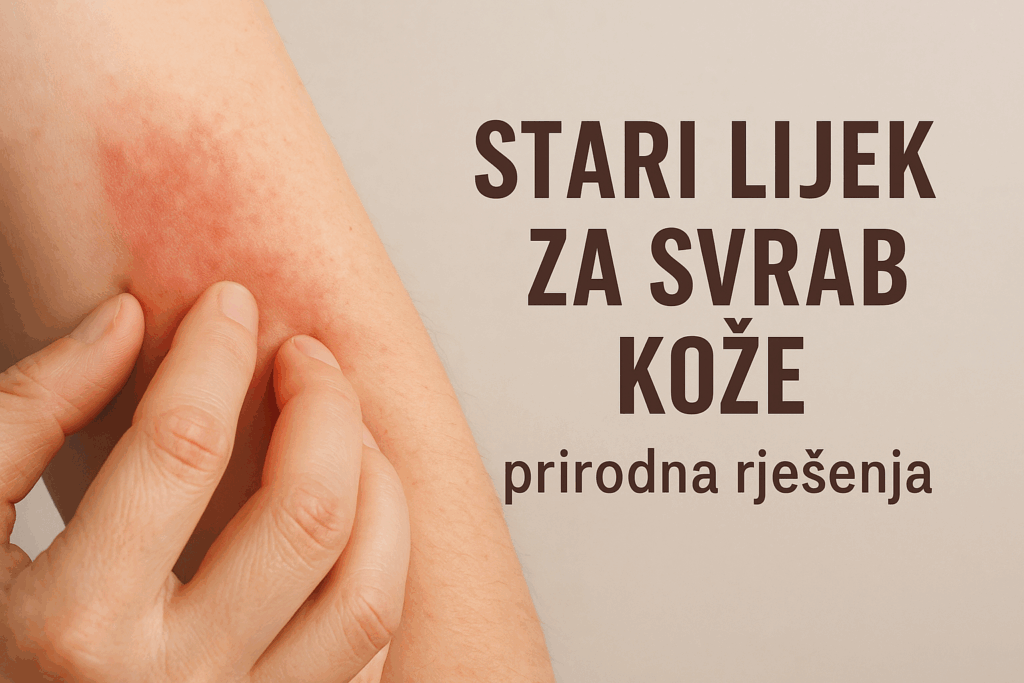
Itching of the skin is an unpleasant feeling that can spoil the day, but many throughout history have been looking for ‘old remedy for itchy skin natural solutions’ that give relief without strong medication. In this article, I will explain what causes itching, how to recognize it, which natural and medical therapies have been proven, how people describe their own experiences, and practical tips for prevention and home first aid. The text is informative and reader-oriented — if symptoms persist or worsen, be sure to consult a doctor.
Anyone who has experienced intense itching knows how difficult it is not to scratch. Old folk remedies and natural solutions are often the first stop because they are available, relatively safe and sometimes surprisingly effective. However, not every natural preparation is the same: some help alleviate symptoms, while more serious or chronic itching forms often a combination of medical and self-help approach. Below is an overview of the best modern and traditional approaches and practical instructions.
What causes itchy skin? (causes)
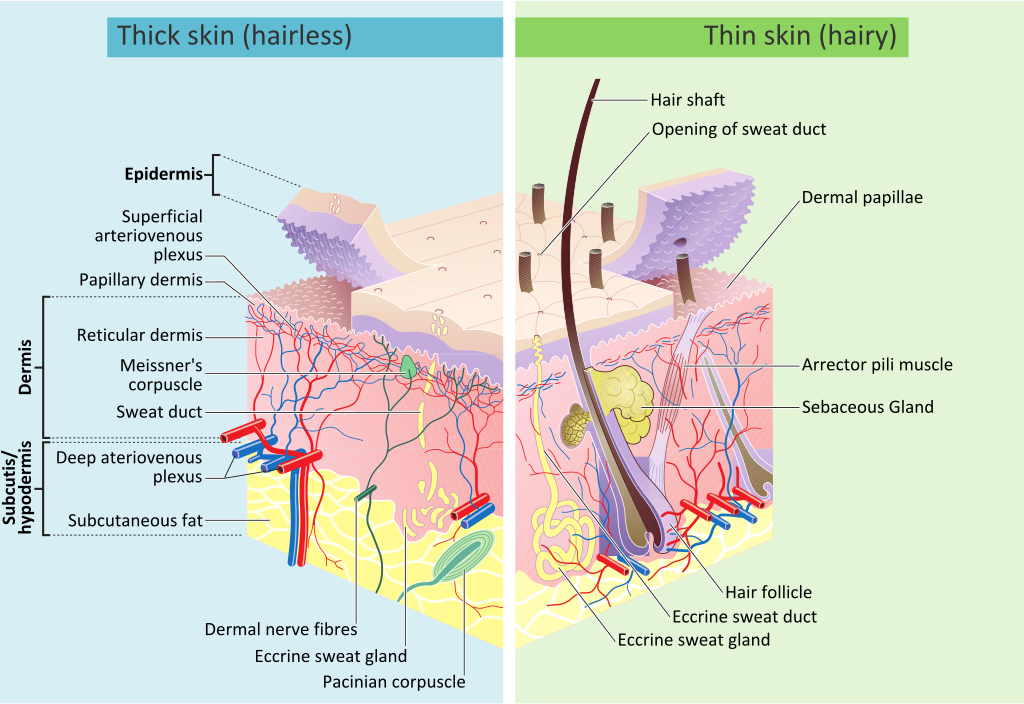
Itching (medical: pruritus) occurs when sensory receptors in the skin are stimulated to signal to the brain. The most common causes are:
Dry skin (Xerosis)
Dry skin is the most common cause of itching, especially in the elderly or in dry climates. Skin that does not have sufficient moisture peels faster, cracks and causes discomfort.
Allergies and contact dermatitis
Allergic reactions to cosmetics, perfumes, latex, metals (eg nickel) or certain fabrics can cause localized or widespread itching.
Dermatological diseases
Eczema (atopic dermatitis), psoriasis, ringworm, fungal infections and lice or insect bites often have itching as a dominant symptom.
Systemic causes
Liver diseases, kidney diseases, thyroid, hematological diseases or some infections can cause widespread, chronic itching that requires a medical examination.
Drugs and chemical stimuli
Some medications and exposure to chemicals can cause itching. In such cases, termination or replacement of the drug can solve the problem under the supervision of a doctor.
How to recognize symptoms (when it’s just itching, and when it’s a doctor)
Symptoms include an intense feeling of need to scratch, redness, rash, swollen skin, blisters or thickening of the skin (lichenification) after chronic scratching. Seek medical attention immediately if itching is accompanied by:
- fever or systemic symptoms;
- jaundice (yellow skin/white eyes) — may indicate liver problems;
- itching that worsens despite home measures;
- Signs of infection (bubble burst, pus).
Natural therapies and old remedies for itchy skin — what makes sense?
Although many ‘old medicines’ circulate on the Internet and among acquaintances, the following natural methods have the basis in practical experience and/or scientific studies:
1. Colloidal oatmeal (Colloidal Oatmeal) baths
Coliodial oats are one of the most researched natural ingredients for relieving itching and inflammation. Clinical studies show that formulations with oat extract reduce inflammation, have antioxidant and barrier properties, and relieve itching. In practice: 15-30 minutes of baths with prepared coloid oats (or finished products) can alleviate the symptom.
2. Cold compresses and compresses
Cold compresses reduce local blood flow and reduce the sensation of itching — simple and effective. Use a clean cloth soaked in cold water for 10–15 minutes.
3. Emollients and regular lubrication
Regular application of moisturizing, odour-free and emollient irritants helps restore the skin barrier and prevents itching from dry skin. The best are thick creams or ointments after showering while the skin is still moist.
4. Calamine (calamine) lotion
Calamin lotion is traditionally used to relieve itching from insect bites, nettles and rashes such as shrimp. It is a mild, often safe preparation for short-term relief.
5. Natural oils — how and when
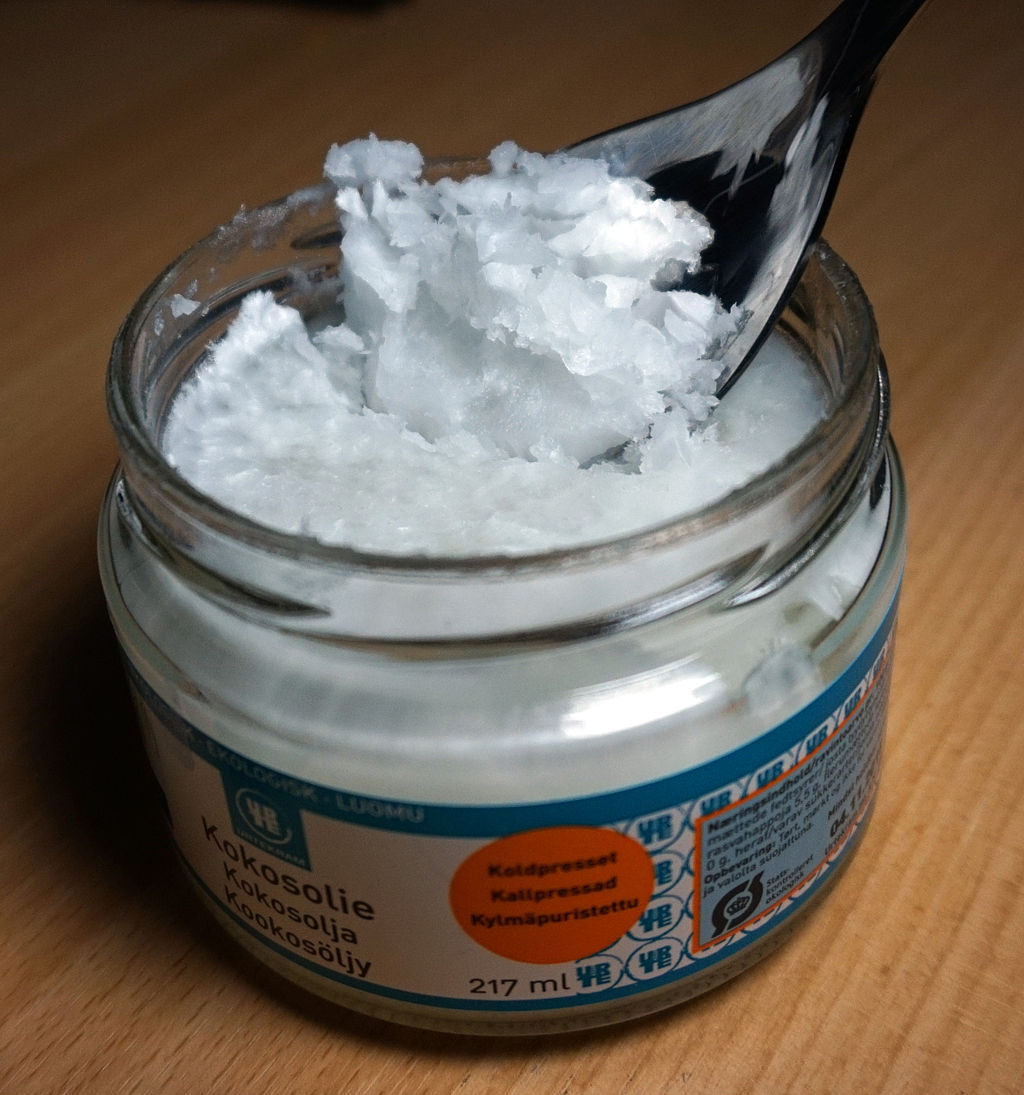
Some vegetable oils (eg coconut oil) contain fatty acids that can help hydration and have a mild antibacterial effect. However, essential oils (eg tea tree/tea tree, lavender) can cause contact dermatitis in sensitive people — cautiously and do a test in a small area.
6. Hypoallergenic hygiene and cold remedies from nature
Mild soaps, avoiding hot baths and perfumes, and cooling the skin with natural methods (cold water, compresses) are among the simple older methods that continue to help.
Medical treatments — when and what medications to consider?
If natural measures are not sufficient or itching is more pronounced, modern medical options include:
antihistamines
For allergic itching, oral antihistamines (eg cetirizine) can help reduce itching, especially if itching is associated with allergy or urticaria. Some antihistamines have a sedative effect, so patients use them for night relief.
Topical corticosteroids (hydrocortisone and others)
For inflammatory itching (e.g. in the case of eczema), topical corticosteroids are often the first line of therapy. It is important to use the appropriate strength and duration according to the instructions of the doctor or pharmacist to avoid side effects.
Calamine and other OTC creams
Calamin lotion and mild hydrocortisone creams are available without a prescription and are often sufficient for short-term relief.
Phototherapy and systemic therapy
For chronic, more severe cases (eg severe atopic dermatitis, systemic itching), phototherapy (UVB) or systemic drugs can be considered — the decision is made by a dermatologist.
How to combine an old remedy for itchy skin natural solutions with modern medicine?
The ‘natural + medical’ approach often gives the best results: hydration and cold oats every day, cold compresses as needed, and short-term use of topical corticosteroids according to the doctor’s recommendation — all this can reduce the need for stronger drugs. If antihistamines are added for nocturnal itch control, possible side effects and interactions with other drugs should be checked.
User experiences — Neutral and informative summary
Based on anonymous experiences and literature, people often cite the following patterns:
- Those who have dry skin report that regular ointment/cream and baths with colied oats significantly reduce the frequency of itching.
- People with allergies often first notice improvement after avoiding the trigger (new detergent, perfume) and taking antihistamines.
- People with chronic conditions (psoriasis, atopy) often need long-term combined therapy — emollients daily + occasional corticosteroid as needed.
- Some users used essential oils and managed to get temporary relief, but there are also those for whom the same oils caused additional irritation — so test a small area before using it.
This summary is not a substitute for medical advice, but a reflection of common experiences shared by people and that have been confirmed in the literature.
Practical tips and preventive measures (how to avoid itching)
Daily routine
- Use mild, unscented soaps and bathe in lukewarm, not hot water.
- Apply emollient immediately after showering — on wet skin — to retain moisture.
Clothing and surroundings
- Wear cotton or soft clothes, avoid coarse wool and tight fabrics that rub the skin.
- Use fragrance-free hypoallergenic detergents for laundry.
Climate and habits
- Maintain optimal air humidity in the apartment (especially in winter), because dryness of the air dries out the skin.
- Avoid sudden temperatures and excessive sweating that can worsen itching in sensitive skin.
When to see a doctor
- If the itching lasts longer than a few weeks, spreads, or is accompanied by other symptoms (eg jaundice, fatigue), consult a doctor for further diagnosis.
A useful first aid plan for itching (step-by-step)
- Wash your hands and tense yourself so as not to scratch — scratching worsens the condition.
- Cold compress for 10-15 minutes on the affected area.
- Apply an odorless emollient or calamine lotion as needed.
- If you suspect an allergic reaction, consider an antihistamine (according to the instructions/doctor).
- If there is no improvement or the condition worsens, see a doctor.
Conclusion
‘Old remedy for skin itching natural solutions’ often offer quick and gentle relief: cold oats, cold compresses, regular application of emollients and avoiding triggers can significantly reduce discomfort. For stronger or chronic forms of itching, medical treatments such as antihistamines, topical corticosteroids or even phototherapy may be necessary. The best approach is often a combination of natural methods and modern medical instructions — and always see a doctor if symptoms do not go away or are accompanied by worrying signs.