Village scenes could have taken place in the century before last – but in Albania they are real. The country is slowly opening up to tourists.
Farmers cultivate their fields with plows pulled by oxen, young girls wait by the side of the road with buyers of their artistically tied wreaths of twigs filled with juicy cherries. In the midst of the unbridled exuberance of nature, the herds of sheep are a constant sight.
Tourism has not yet arrived in Albania – although the country is only an hour and a half away from Central Europe. In recent years, the country has made intensive efforts to connect with neighboring countries and gain recognition as a tourist destination.
painted facades of houses
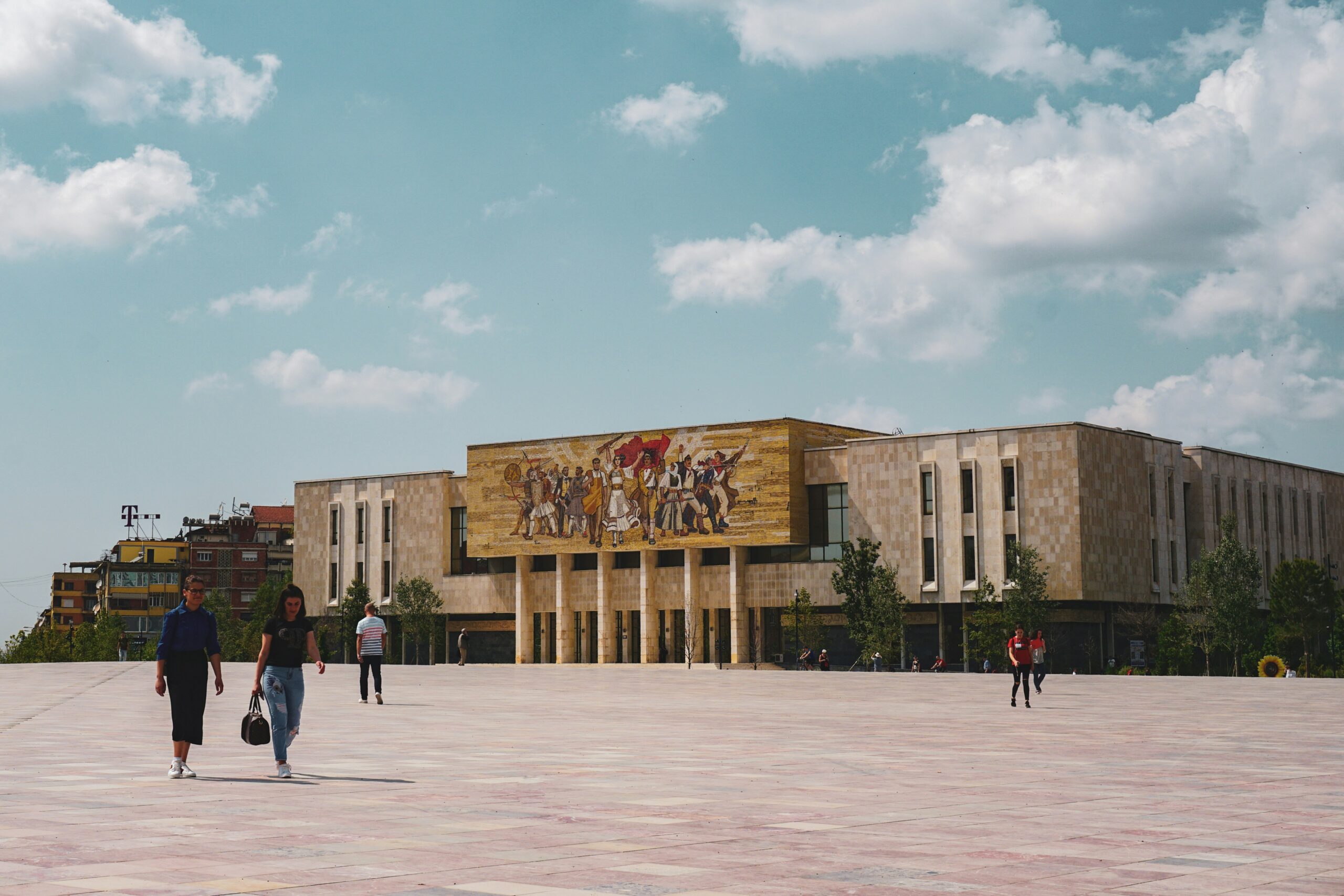
The first step was taken in the capital, Tirana. The brightly painted facades of the houses, the initiative of the mayor Edi Rama, are infallible. They are conceived as a kind of Gesamtkunstwerk (complete work of art) that symbolizes the dawn of the future. ‘Until now, we have mostly remained undiscovered because we have been imposed strict isolation from the rest of the world for half a century,’ says Ednara Hasho from the Tourist Board of Tirana.
A small country, with cities of historical importance in the history of art such as Berat and Girocaster, and ancient archaeological sites of Apollonia and Butrint, has a cultural history as impressive as its Mediterranean neighbors. But Albania is above all one thing: a country full of contrasts, with mountain ranges and deep gorges, with green hills and untouched beaches. These contrasts are also visible in the streets, where donkeys alternate with expensive cars.
Bring time
Everyone who travels to Albania takes time – a lot of time, actually. Uneven, narrow roads leave much to be desired. But it is precisely this slow pace of travel that allows meetings with extremely hospitable people.
The winding drive from the port city of Vlora to Saranda, 120 kilometers away, is an intense experience. Behind the Llogar pass, the so-called Albanian Riviera begins, a landscape that is perhaps incomparable in Europe: on the left, an imposing mountain range; On the right, behind the leaning olive groves and pine forests, an undeveloped coastline crowned by sandy beaches and turquoise sea.
Ferry to Corfu
Sleeping villages like Dhermi and Himara stand on the slopes, far from the water – this was the only way for the inhabitants to protect themselves from numerous pirate attacks. Only further south, in Saranda, did tourism arrive, albeit modestly at first. Many small hotels are waiting for guests. After the peace of the mountains, new buildings dominate the view here.
There is a ferry connection with the Greek island of Corfu, exactly opposite. But Saranda is primarily known for one thing: the archaeological site Butrint, which is located 15 kilometers south of Lake Butrint. It was recently declared a world heritage site.
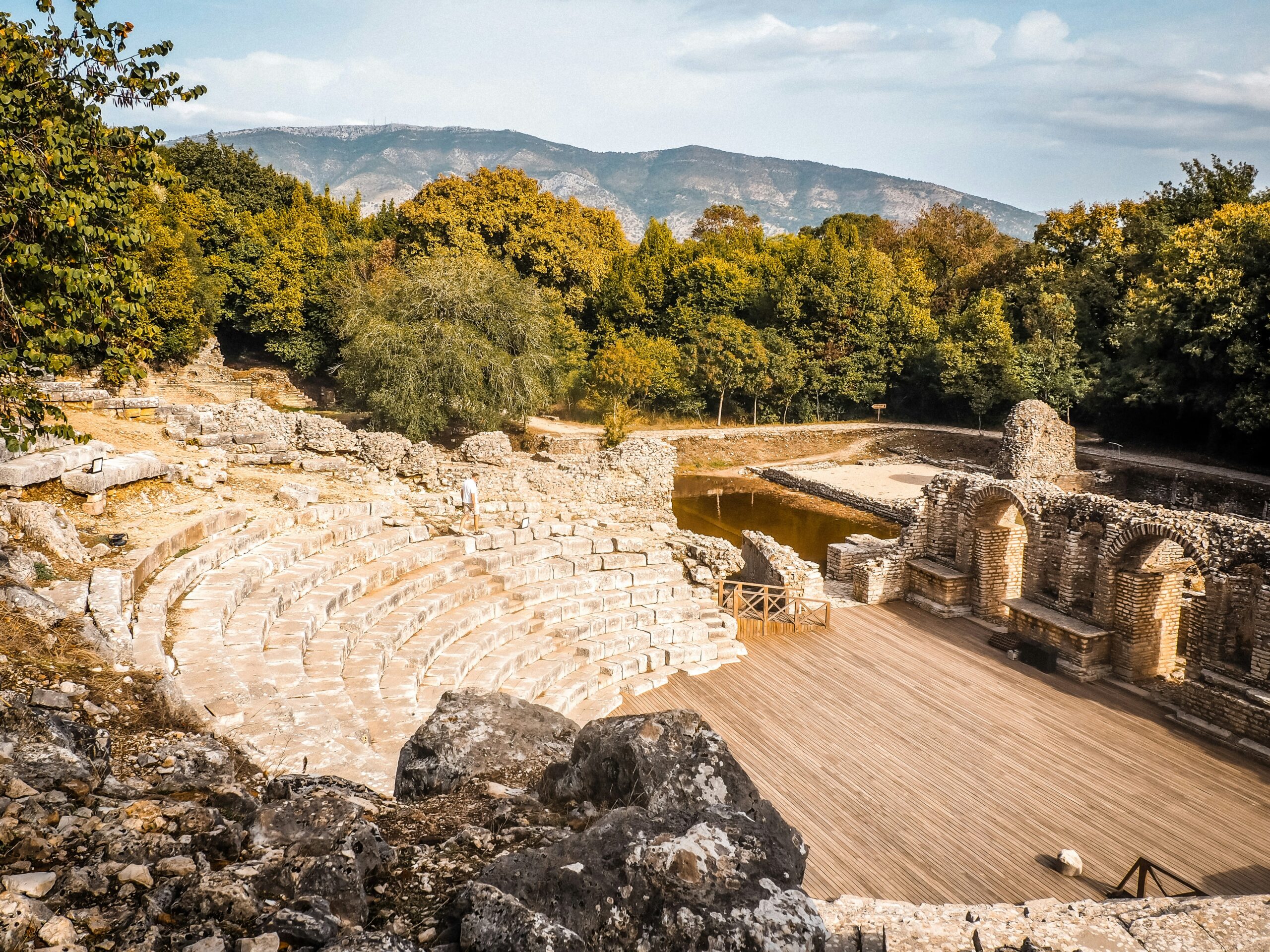
Albania is still rarely found in tourist catalogs. In addition to Studiosus, for example, Tübingen-based Culterramar tour operator specializes in travel to southern Albania.
Cover photo: Photo by Elion Jashari he unsplash