Sharp cold, rare plants and guttural singing – this is what awaits adventurers who travel by boat to the icy landscape of the Arctic. On a ship, indigenous peoples tell stories about hunting seals and tanned leathers.
Emily Emudluk is not shy. The young Inuit woman confidently approaches the microphone and explains what Kattajjaq is: ‘In the past, when men hunted polar bears and narvae for weeks, we women did not only work at home.’ The listeners pricked up their ears, and Emily smiles: ‘We had fun too.’
Then he stands so close to his friend Mae Ningiurukvik that the girl’s faces are almost touching. And now listeners, traveling by boat in the Canadian Arctic, hear sounds that they would never expect from these teenage girls with their punk hairstyles. Rhythmic panting and moaning fill the space. Kattajjaq, the guttural singing of the Inuit, is a change of breath and sound and must be so fluid that both singers sound like one.
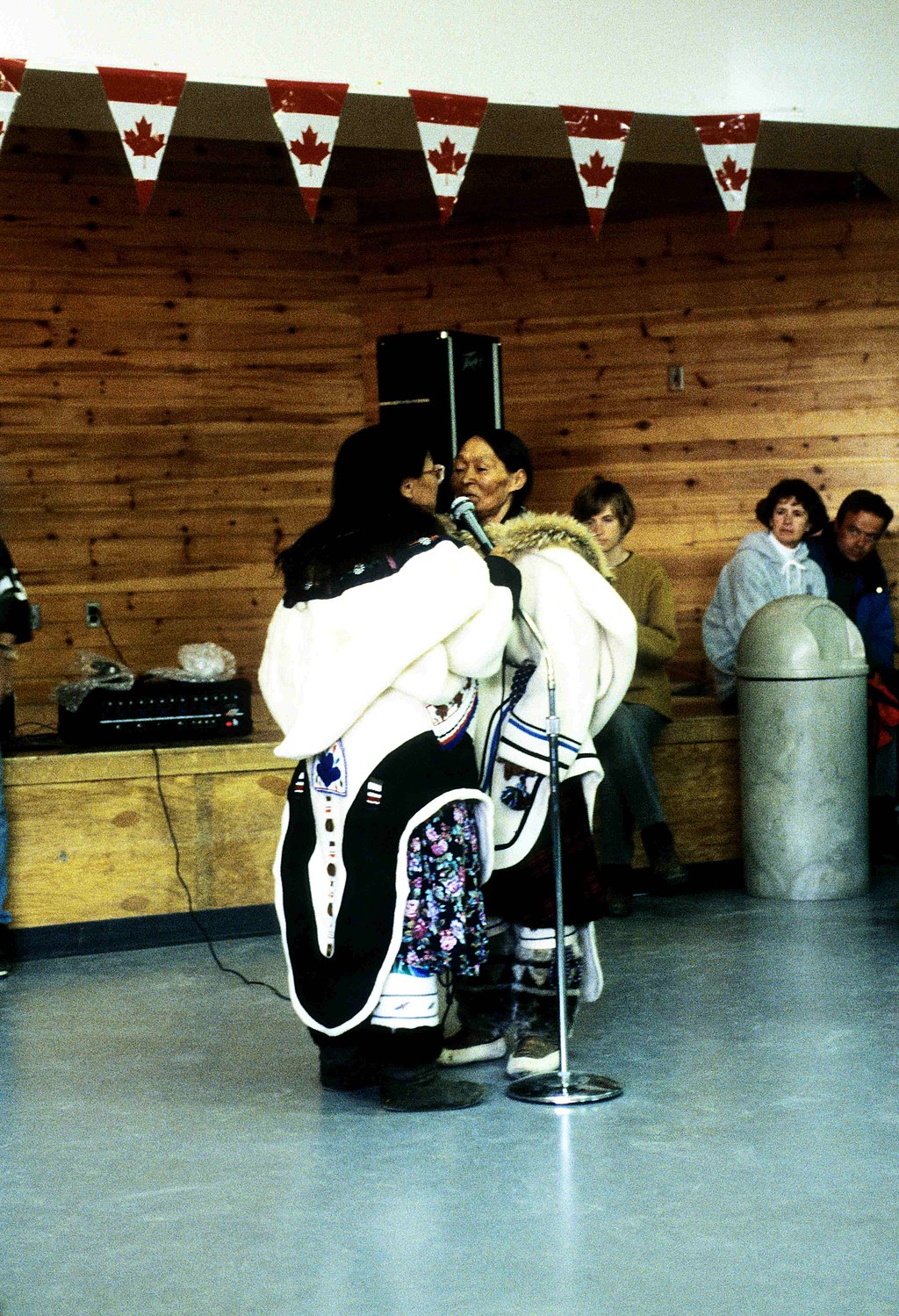
Emily and Mae quickly find rhythm and produce sounds that seem to date from prehistoric times. Their facial expressions are so relaxed that it feels like Kattajjaq also signifies closeness and intimacy – until one of them loses concentration, as Emily now does. Laughing, he returns to the microphone. ‘As soon as you start thinking, it’s over,’ he says.
Those traveling with Cruise North Expeditions experience Inuit culture firsthand. The company, managed by the indigenous peoples of northern Quebec, aims to encourage tourism in the Arctic and train young Inuits in tourism professions. The hired ‘MV Lyubov Eagle’, a vessel 100 meters long built during the Soviet era, serves as a floating training center.
Between the cities of Resolute and Kuujjuaq, Emily, Mae and their peers learn about ‘at work’ tourism, and talk about their culture in the evening. ‘Eagles’ has nothing in common with luxury ships: the arrangement of the cabins is more reminiscent of the domestic modernism of the late Soviet era. But the Russian staff is even more careful. And the food is simple, but good.
The Arctic on the Edge: Unemployment Challenges, Population Growth and Climate Change
Experienced biologists and ornithologists share their experiences. Thus, ‘these penguin-like birds’ turn into thick-billed murras, and the water below the ‘Eagle’ becomes the entrance to the legendary northwest passage. Devon Island, explains expedition leader Brad Rhees, is the largest uninhabited island in the world: an inhospitable rock with an area of 66,000 square kilometers where NASA researchers test training programs for expeditions to Mars.
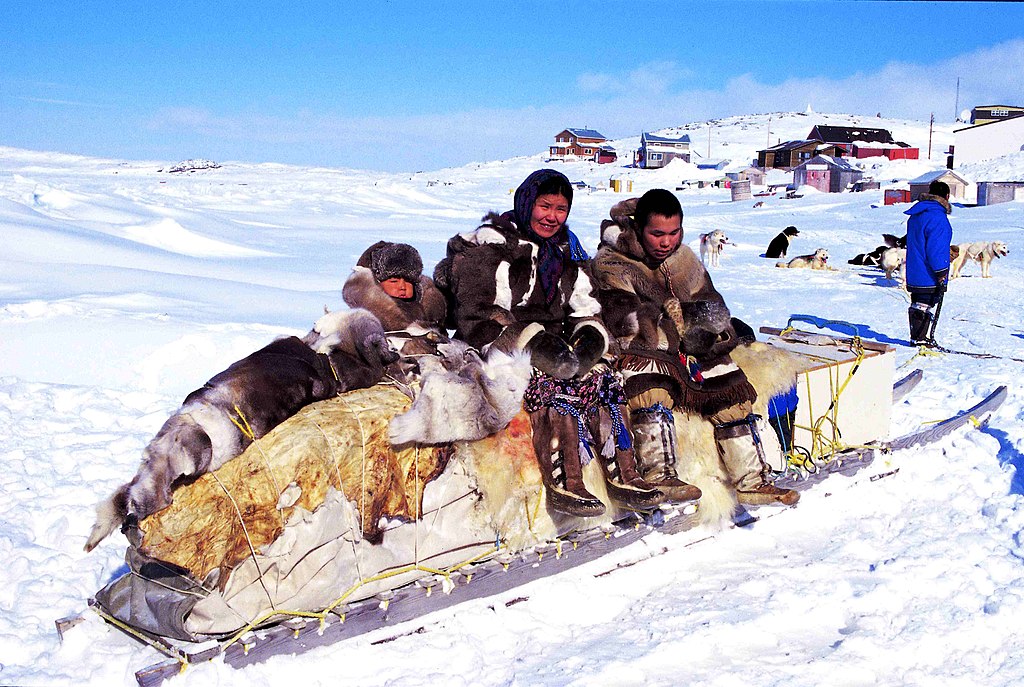
In Arctic Bay, a settlement on the northern tip of Baffin Island that ships rarely visit, half the village gathers on the beach to see ‘Hallunaqe’, whites. Elder Leona Aglukark squints: ‘I was born in my family’s winter camp. Then our men hunted seals, and we girls tanned their skins,’ he says. But times have changed: ‘Now our young people prefer to watch satellite television.’ Leona sighs and drags herself home, leaning on her grandson.
Indeed, the problems faced by the Arctic are undisputed: unemployment, population explosion, and climate change. ‘When I was here three years ago, it still reached this point,’ says Joseph Jonas, pointing ten meters behind him to the Sermilik glacier, one of the attractions of the new Sermilik National Park on the island of Bylot. Tourists make their way through the moon-like landscape to the language of the glacier. Joseph, hired as an escort of polar bears, does not hide his concern: ‘Then the bay was full of glaciers.’
Arctic Summer: One degree Celsius heat and amazing nature
In Auyuittuq National Park, Arctic explorers are landing. The tundra at the foot of jagged mountains shines with the colors of wild flowers. Joseph spotted the polar bear’s fresh tracks and follows the group with a standby rifle. Geela Kooneeliusie, who works for the national park, bends and picks the leaves of the quungulite plant, the Arctic buckwheat variety: ‘It tastes sweet. It only grows in summer when it’s warm as it is now,’ he says. There is only one degree Celsius – a warm summer day for Geela.
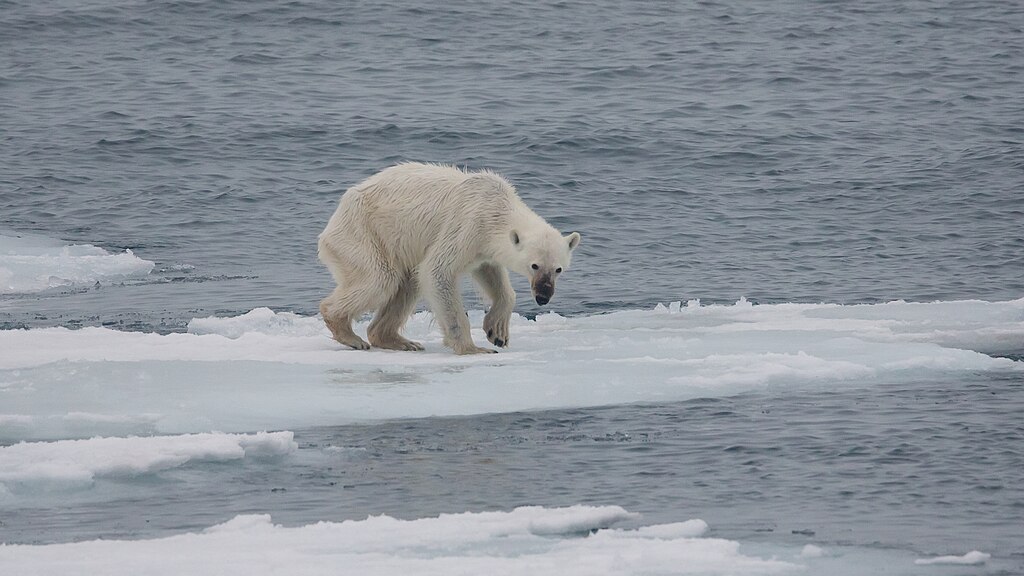
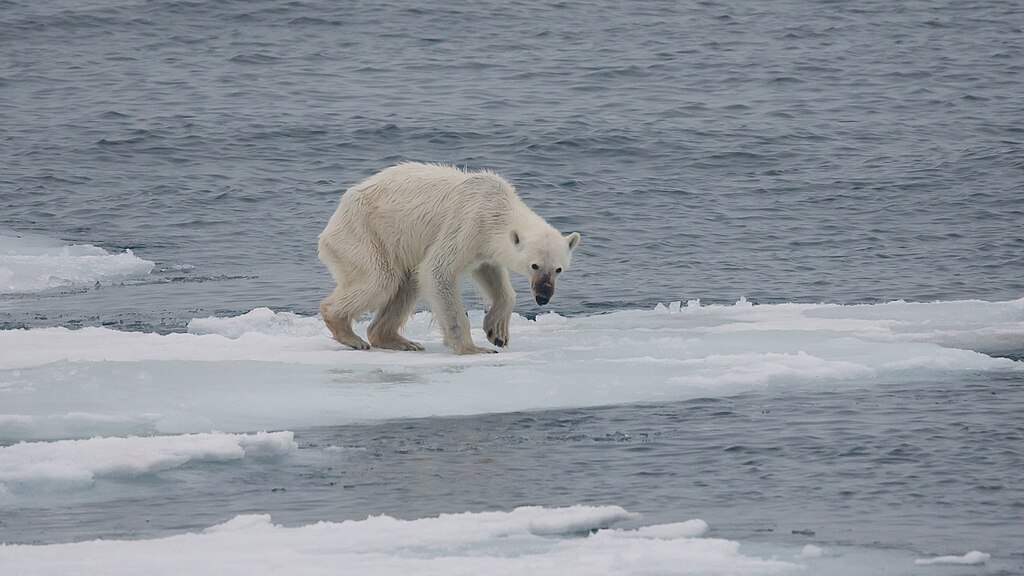
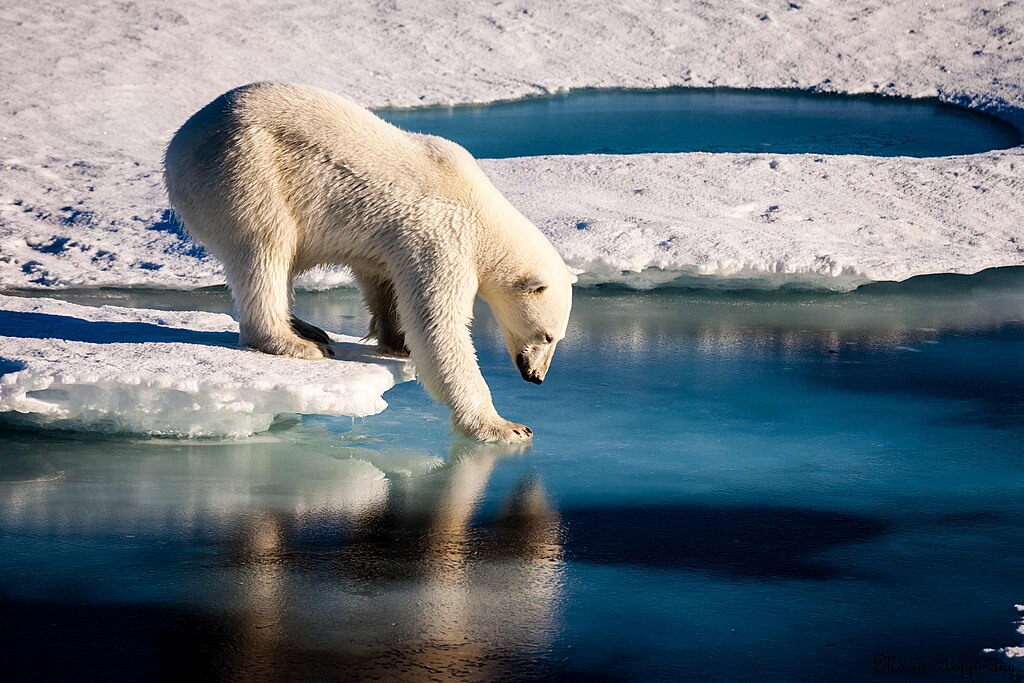
The long-awaited encounter with polar bears takes place on the island of Akpatok. The uninhabited island is home to the largest colony of grebes in the world. At least a million of these black and white nylons nest in limestone cliffs that rise 250 meters above the rubber boats. Many eggs fall to the ground – straight into the mouth of polar bears patrolling below. It doesn’t take long for Brad Rhees to spot a teddy bear and its two cubs. The dinghy, with the engine off, slides 50 meters from the trio, then the teddy bear raises its strong head, pushes its wet nose into the breeze and looks over them. But she turns again. Inflatables do not pose a threat to her – and certainly not a meal.
Cover photo: Andreas Weith, CC BY-SA 4.0, Via Wikimedia Commons