
Long lectures on historical events and chronicles like battles and royal dynasties are a thing of the past. The new concept is called ‘Histourism’. Learning on holiday is completely different.
‘Travel educates,’ the saying goes – even if learning is not explicitly in focus. However, what and how is learned during the journey has changed dramatically in recent years: ‘Dead stones are outside,’ says prof. Torsten Kirstges from the University of Applied Sciences at Wilhelmshaven. ‘But there is still interest in many historical periods,’ emphasizes the director of the Institute for Innovative Tourism and Leisure Management.
Some things simply cannot be conveyed at the best lectures or PowerPoint presentations as well as they can be transmitted live: ‘experience the dome of the Florentine Cathedral, and maybe even climb it, something is completely different from just looking at pictures’, explains prof. Bernd Mütter. Traveling is therefore an ideal basis for learning about history, says Mütter, who developed the concept of ‘Histourism’, whose name itself combines history and travel.
Learning in ‘authentic places’
Mütter, professor emeritus at the University of Oldenburg, did not only approach the topic theoretically: he also planned and undertook numerous trips. The historian has repeatedly confirmed how useful it can be to learn about history in ‘authentic places’: ‘When you see cemeteries with the dead from the First World War in Verdun, for example, you understand what the battle of material means.’
Cities that are already of historical interest, such as Florence, are ideal for such trips. Historical learning works elsewhere as well. Sometimes even ‘smaller’ topics that have not entered world history are interesting for tourists, adds prof. Kirstges. Characters like Schinderhannes or historically documented criminal cases are the starting points for travel concepts that offer an opportunity to learn about the past.
Modern teaching and learning
Interest in data on battles or royal dynasties has certainly declined. ‘But that doesn’t mean people don’t want to learn anymore; on the contrary, the way they learn has changed,’ explains prof. Rainer Hartmann from Bremen University of Applied Sciences. Listening to long lectures is no longer appropriate. ‘People today want to be actively involved in learning, as is the case in many interactive museums,’ explains the researcher of leisure time and tourism.
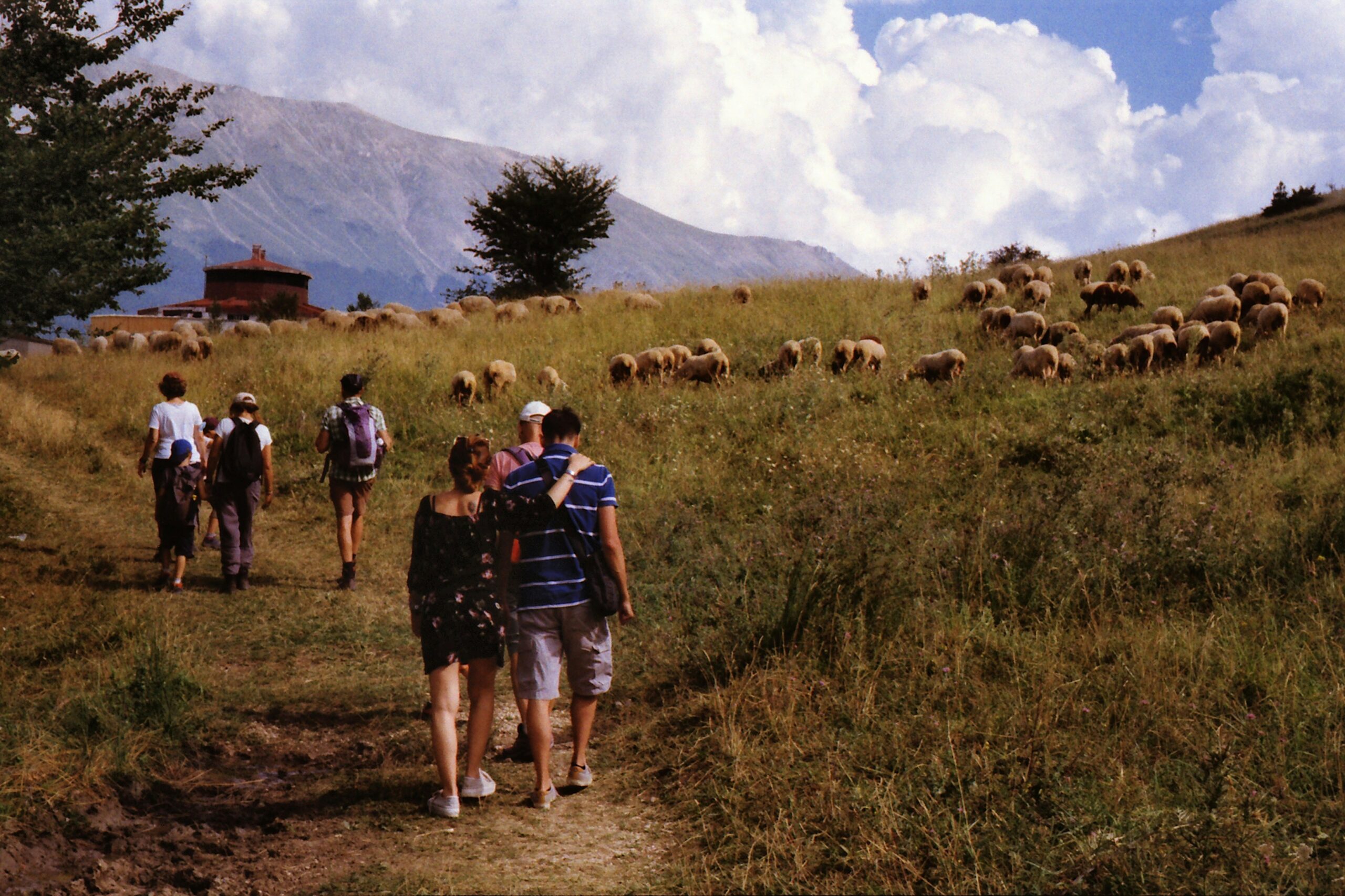
‘Lectures on the history of architecture lasting an hour and a half – that would not work today,’ confirms Ury Steinweg, general manager of Gebeco. ‘Travelers want to learn not only historical facts, but also stories about the social environment at their destination.’ Steinweg is convinced that interest in learning during vacations has even grown: ‘Even because the target group for such trips has grown enormously. It is no longer just five percent of educated people like 50 years ago.’
‘Modern study trip’
As the participants’ expectations are higher, study and adventure travel has become more demanding – including for tourist guides: ‘In the past, a doctorate was sufficient; today they must also be didactically competent,’ says Steinweg. ‘And they can’t just be knowledgeable about a topic like history or archaeology.’ The concept of ‘modern studio trip’ covers a wide range of topics, adds Betina Rütten, who is responsible for the training and continuous education of tourist guides in the tour operator Studiosus. ‘Economic and social issues, as well as politics, tradition, culture and music, gossip, fashion and lifestyle.’