The Balkans is an area of extremely rich and diverse nature – from steep mountain peaks and vast forests to fertile valleys and Mediterranean coasts. This diversity has allowed the rich flora to develop, including many fruit species that you will not find anywhere else in the world. Many of them are almost forgotten, and at the same time hide incredible nutritional value, healing properties and authentic tastes that remind us of our grandmothers’ childhood or stories.
In today’s world, dominated by commercially grown types of fruits such as apples, pears, oranges and bananas, we rarely think about those autochthonous fruit trees that grow only in certain regions. Just such fruit trees – not only are they adapted to the local climate and soil, but they are often more resistant and richer in nutrients than their commercial relatives. In addition, many of them have a significant role in folk medicine, gastronomy and the tradition of the Balkan peoples.
Below we will introduce you to 5 rare fruits that can only be found in the Balkans – Fruit trees that are a symbol of this climate, which you may find yourself in nature or even in your grandmother’s garden.
Drenina (Cornus Mas)
Drenina, also known as Dren, is one of the oldest and most resistant fruit shrubs from the Balkans. This autochthonous plant that grows wild in groves, on the edges of forests and on rocky hills, often goes unnoticed. However, its small red fruits hide a wealth of nutrients and exceptional healing properties that our ancestors knew well.
What does the drain look like?
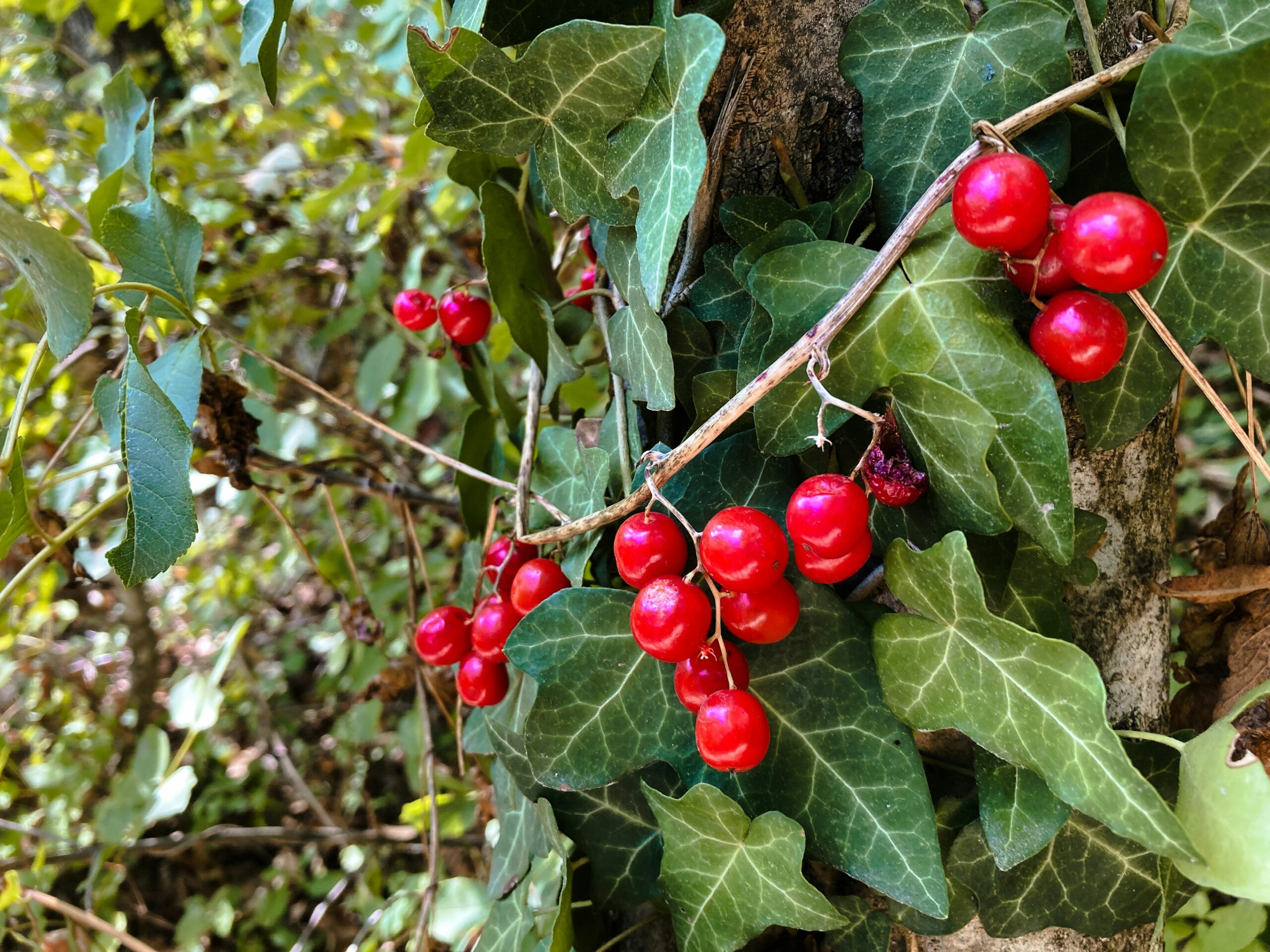
Drenina is a deciduous shrub or low tree that can grow up to 8 meters in height. In early spring, while most plants are still at rest, dogwood is recognized by abundant flowering with small, yellow flowers. The fruits are small, oblong and dark red when they ripen, usually in late summer or early autumn. Although the raw ones are quite astringent, when they fully ripen they become sweet and extremely aromatic.
Nutritional value and healing
Drenina is extremely rich in vitamin C – even several times more than lemon! In addition, it contains antioxidants, fruit acids, pectin and minerals such as potassium and magnesium. Its fruits are traditionally used to strengthen immunity, regulate digestion, lower temperature and even as a natural remedy for diarrhea. In folk medicine, teas, juices, brandies and syrups are also made from dogwood.
gastronomic use
In the Balkans, Drenina has an important place in the kitchen. Delicious jams, juices, brandies, and even wine made from dogwood are made from it. Its fruits can be dried, and it is also known for its use in traditional recipes for compote or as an addition to meat dishes. Drenina is a true example of a combination of health and gastronomic pleasure.
A symbol of strength and longevity
Drenina is not only a useful plant – it also has a deep-rooted symbolic meaning in Balkan culture. It was often considered a symbol of strength and longevity due to its resistance to drought and low temperatures. In folk customs, dogwood twigs were placed in homes or on the doorsteps of houses as protection against evil and disease.
oskorusha (Sorbus domestica)
Medenika, also known as oskorusha or medlar oskorusha, is one of the rarest and oldest fruit species of the Balkans. This long-lived deciduous fruit tree was once highly valued for its sweet and aromatic fruits, and today it is almost forgotten. Although it used to be decorated with country yards and orchards, today Medenika is less and less common, which makes this species a real natural treasure that needs to be preserved.
Description of the plant
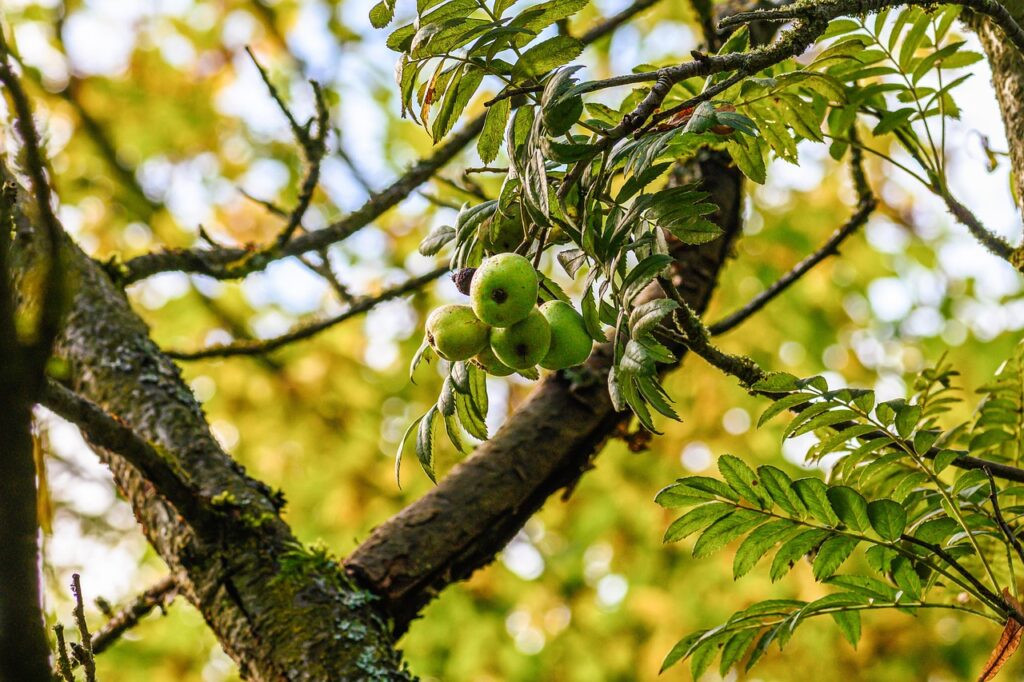
The honeycomb is a tree that can grow up to 20 meters in height and live to be more than 200 years old. It is recognized by its wide crown, layered leaves and white flowers that bloom in spring. The fruits are small, pear-shaped or round in shape, and their color varies from yellow-green to reddish. Medica’s fruits are eaten only after they are completely deterred, because then they soften and become sweet, reminiscent of apples or pears. In immature condition, they are hard and stubborn.
Nutritional value and healing
Medenika is extremely rich in fiber, natural sugars and organic acids. Fruits are also a source of vitamin C, and also contain potassium, calcium and iron. In folk medicine, they are used to regulate digestion, strengthen the body and as a natural remedy against diarrhea and intestinal problems. In addition, honeydew was considered a symbol of health and vitality, and was often planted near houses.
Cultural and gastronomical significance
Medenika used to play an important role in rural nutrition and culture. The fruits were consumed raw after softening, but they were also used to make compotes, brandy and various winter foods. Some even dried them to enjoy their taste during the winter. Today, honeysuckle is rarely grown, although its wood is highly valued for its strength and durability and is used in carpentry and furniture making.
preservation and symbolism
Medenika is a symbol of tradition, resilience and natural beauty. Due to habitat reduction and changes in agriculture, this valuable fruit tree has become a real rarity. In recent times, the need to preserve old varieties of fruit has been increasingly recognized, and Medenika is a real candidate for the preservation and revitalization of the rural areas of the Balkans.
Conclusion
Medenika is not only a rare and valuable fruit tree, but also a symbol of the rich history and tradition of the Balkan region. Its fruits, although small and inconspicuous, hide great nutritional and cultural value. It is worth rediscovering and planting to preserve this unique plant for future generations.
Zibib (Vitis viniferaZibibbo)
Zibib is a special grape variety that is traditionally grown on the Dalmatian coast and islands. Although it is often considered a synonym for grapes or even wine, the word ‘zibib’ means this specific, aromatic variety. Zibib is associated with a rich history of viticulture and winemaking in the Balkans, and is especially known on the island of Vis, where it has been cultivated for centuries.
Description of the variety
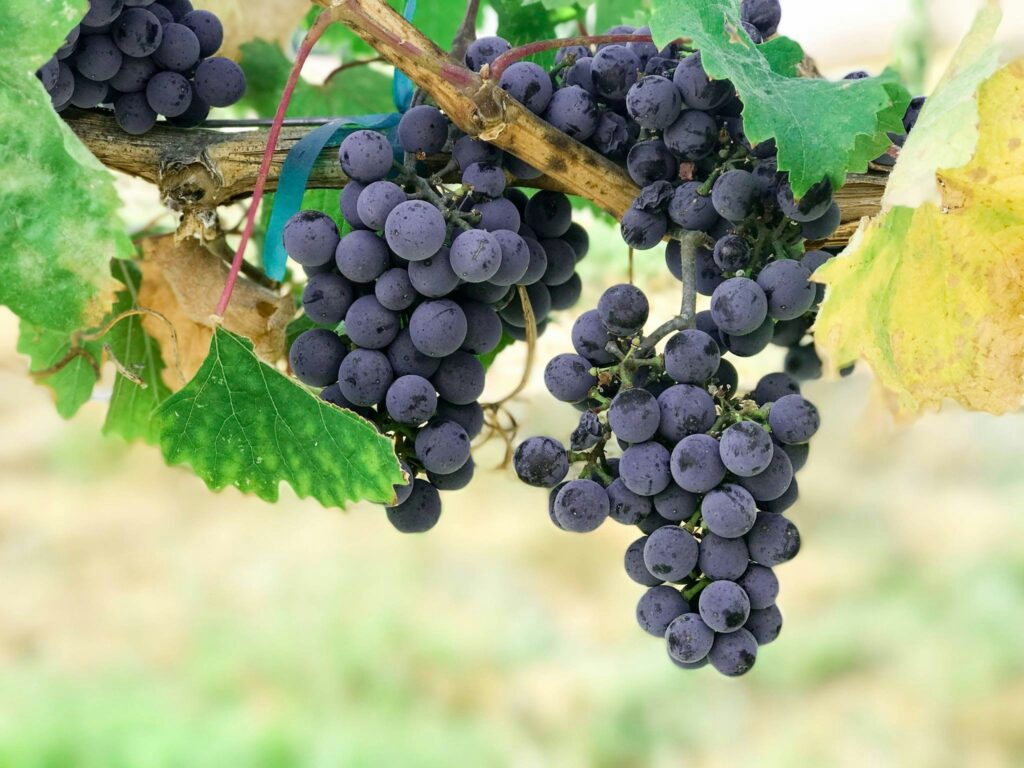
Zibib is a vine variety that produces small, golden yellow to amber clusters, whose berries contain a high concentration of sugar and a characteristic muscat aroma. The berries are small, firm and extremely aromatic, and contain a higher percentage of seeds compared to other varieties. Grapes ripen late, most often at the end of September or early October, when they are harvested and used for the production of different types of wine and brandy.
Nutritional value and healing
Zibib, like other grape varieties, is rich in natural sugars, vitamins C and B, minerals such as potassium and magnesium, and antioxidants. Consumption of grapes contributes to strengthening immunity, health of the heart and blood vessels, and provides energy. Dried zibib, known as raisins, has a concentrated taste and is rich in fiber.
Cultural and gastronomical significance
Zibib has a significant role in Dalmatian culture and economy. In addition to being used for the production of dessert wines with a high sugar content, such as prosecco, brandy and dried raisins used in traditional desserts are also made from zibib. In the past, Zibib was highly valued for its aroma and drought resistance, which made it ideal for cultivation on Dalmatian rockery.
Historical significance and preservation
The Zibib variety brings traces of the centuries-old history of winemaking in these areas. Some sources claim that it originates from the Mediterranean area, and that it was brought to Dalmatia by the ancient Greeks or Romans. Today, zibib is grown in limited quantities, mostly on Vis, where tradition is nurtured and knowledge about this special variety from generation to generation.
Conclusion
Zibib is much more than ordinary grapes – it is a symbol of Dalmatian tradition, persistence and love for viticulture. Its intense smell and taste take us back to some ancient times, when every vine was a wealth for the household. It is worth preserving and enjoying its fruits, either in a glass of wine, brandy or simply as grapes in fresh or dried form.
wild fig (ficus carica var. sylvestris)
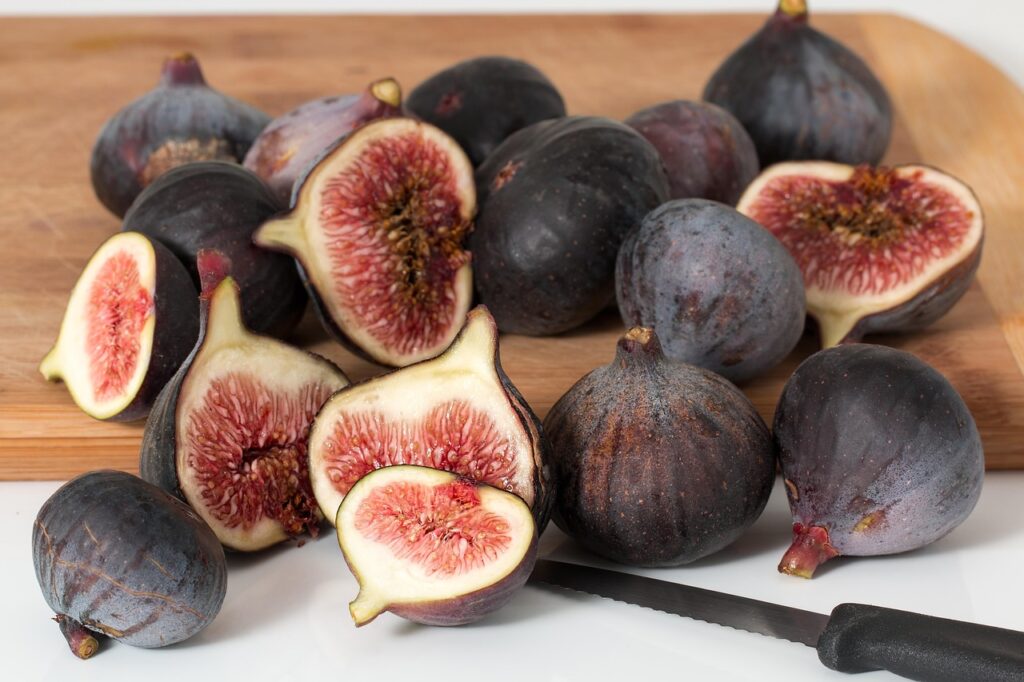
Wild fig, also known as wild fig, is an autochthonous and very resistant type of fig that grows on stony and scarce soils of Dalmatia and other Mediterranean areas of the Balkans. While tame figs have long since entered farming and households, wild figs can still be found in nature, where it persistently resists weather and dries up. Its ability to adapt and symbolism in the folk tradition make it an important part of the natural and cultural heritage of the Balkans.
Description of the plant
The wild fig tree usually grows in the form of a smaller tree or bush, with branched crowns and characteristic palmately divided leaves. The fruits are smaller than those of cultivated varieties, usually round, greenish or dark brown when ripe. Unlike tame figs, wild fig fruits are often harder and less sweet, and some even contain milky juice, which can be irritating to the skin.
Nutritional values and medicinal properties
Although wild fig fruits are smaller and less fleshy, they still contain an abundance of nutrients. They are rich in natural sugars, fiber, vitamins A and C, calcium and iron. In folk medicine, milky juice from immature fruits and leaves is used as a natural remedy for warts, calluses and some skin diseases. Dried wild fig fruits, although less common, can be used as a dietary supplement, providing energy and fiber.
Cultural and gastronomical significance
Wild fig has an important role in the Dalmatian tradition, where it is a symbol of endurance and life on poor soil. In the past, fruits, although smaller and less sweet than tame figs, were used in the diet, especially in the dry period. In addition, the fig was often a symbol of fertility, and its leaves and branches were used in various customs and beliefs. Wild fig also has an important ecological role because it provides food for birds and other wildlife.
preservation and meaning
Due to urbanization and changes in land use, wild fig is increasingly rare in nature. Still, it still resists, spreading its roots deep into stone and rock cracks, reminding us of the strength and adaptability of nature. To preserve a wild fig means to preserve a part of the natural heritage that testifies to the past and the richness of the Balkan regions.
Conclusion
A wild fig tree is not only a fruit tree – it is a symbol of resistance, simplicity and connection of man with nature. Although less known and commercially unused, its presence on the Dalmatian coasts and rockeries reminds us of how important natural species are for the preservation of biodiversity and cultural identity. It is worth preserving and appreciated, because the wild fig tree tells the story of the country where it grows.
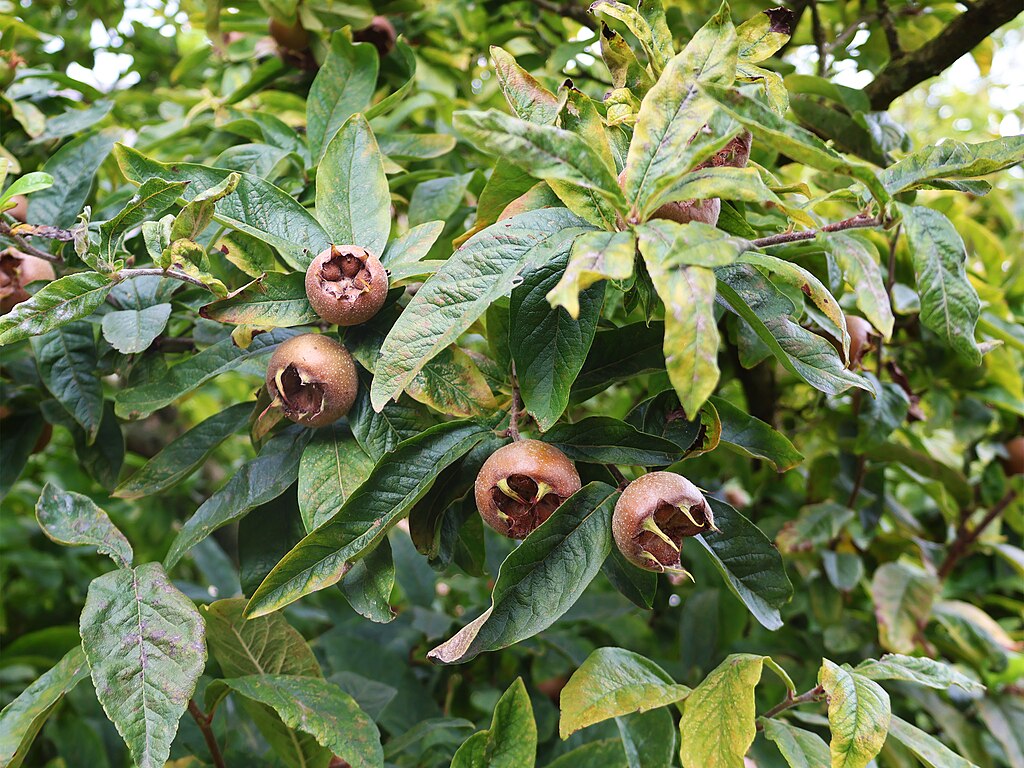
medlar (Mespilus germanica)
Medlar is an old and somewhat forgotten fruit tree that once had an important place in orchards all over the Balkans. Although it originates from southwestern Asia, medlar has been valued in our area for centuries, where it was grown for its peculiar fruits and healing properties. Today, it is increasingly rare in nature and cultivation, but its rich history and unique taste are the reason to rediscover it.
Description of the plant
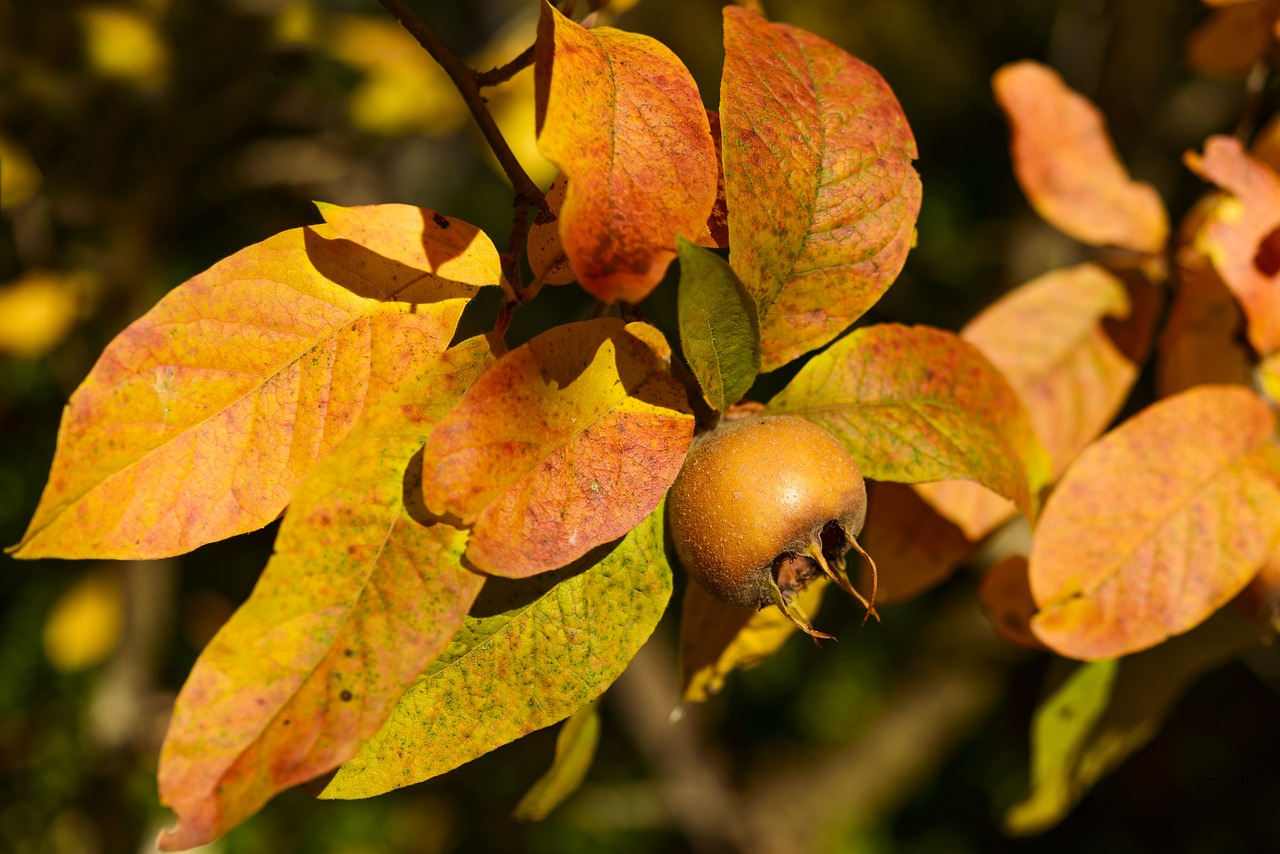
A medlar is a deciduous shrub or smaller tree that can grow up to 5 meters in height. It is characterized by large, oval leaves and white flowers that bloom in spring. The medlar fruits are small, brownish and shaped like a flattened apple, with hard and rough skin. The most interesting feature of the medlar is that the fruits become edible only after they despise or ‘stand’, when they become brown, soft and sweet, with a characteristic smell and aroma.
Nutritional values and medicinal properties
The medlar is rich in fiber, natural sugars, pectin and tannins. It also contains vitamins C and B groups, as well as minerals such as potassium, calcium and iron. In folk medicine, medlar fruits are used to regulate digestion, strengthen immunity and as a mild natural remedy against diarrhea. In addition, thanks to the richness of antioxidants, medlar contributes to the general health of the organism.
Cultural and gastronomical significance
Throughout history, medlar has been a symbol of endurance and patience, because its fruits cannot be consumed immediately after harvesting, but must ‘soften’. In the past, medlars were often kept in straw baskets, where after a few weeks they would become juicy and sweet. Compotes, jams, brandies, and even cakes were prepared from overripe fruits. Their distinctive taste and smell was popular in many households.
Historical importance and preservation
The medlar used to be a regular part of village orchards, but over time it was suppressed by a more modern and commercially profitable fruit production. However, more and more lovers of nature and tradition recognize the importance of preserving this old variety. Today, medlars are increasingly planted in gardens and orchards by enthusiasts who want to preserve authentic plant species and old fruit traditions.
Conclusion
The medlar is a real treasure of past times that deserves a return to the modern world. Its distinctive fruits and rich history tell the story of patience, natural resilience and unique flavors that are not forgotten. It is worth replanting and enjoying its fruits, which resemble a simpler but richer lifestyle.
Cover photo: Mespilus germanica 2024-09-24-1.jpg From the author: reneewrites, CC BY 4.0 , Via Wikimedia Commons